
Last updated November 24, 2026
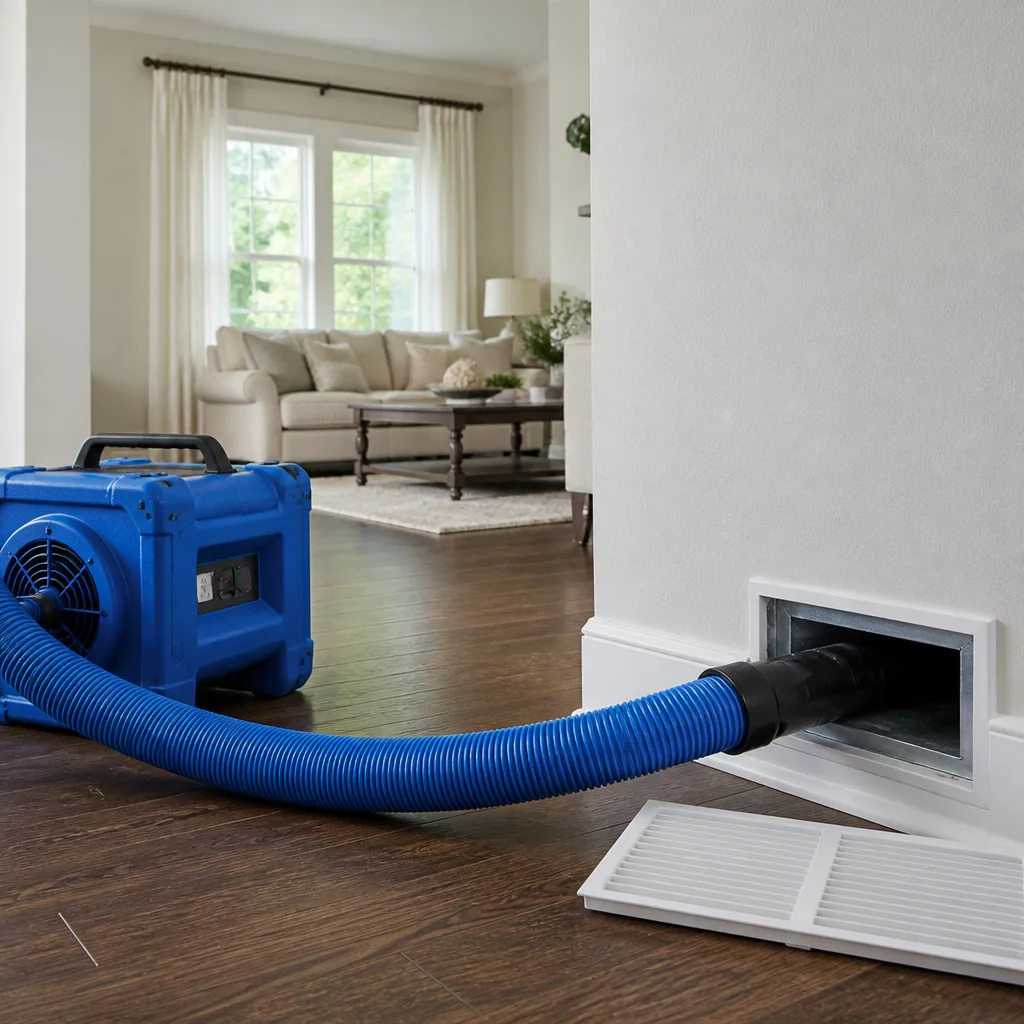 Whole-home duct cleaning
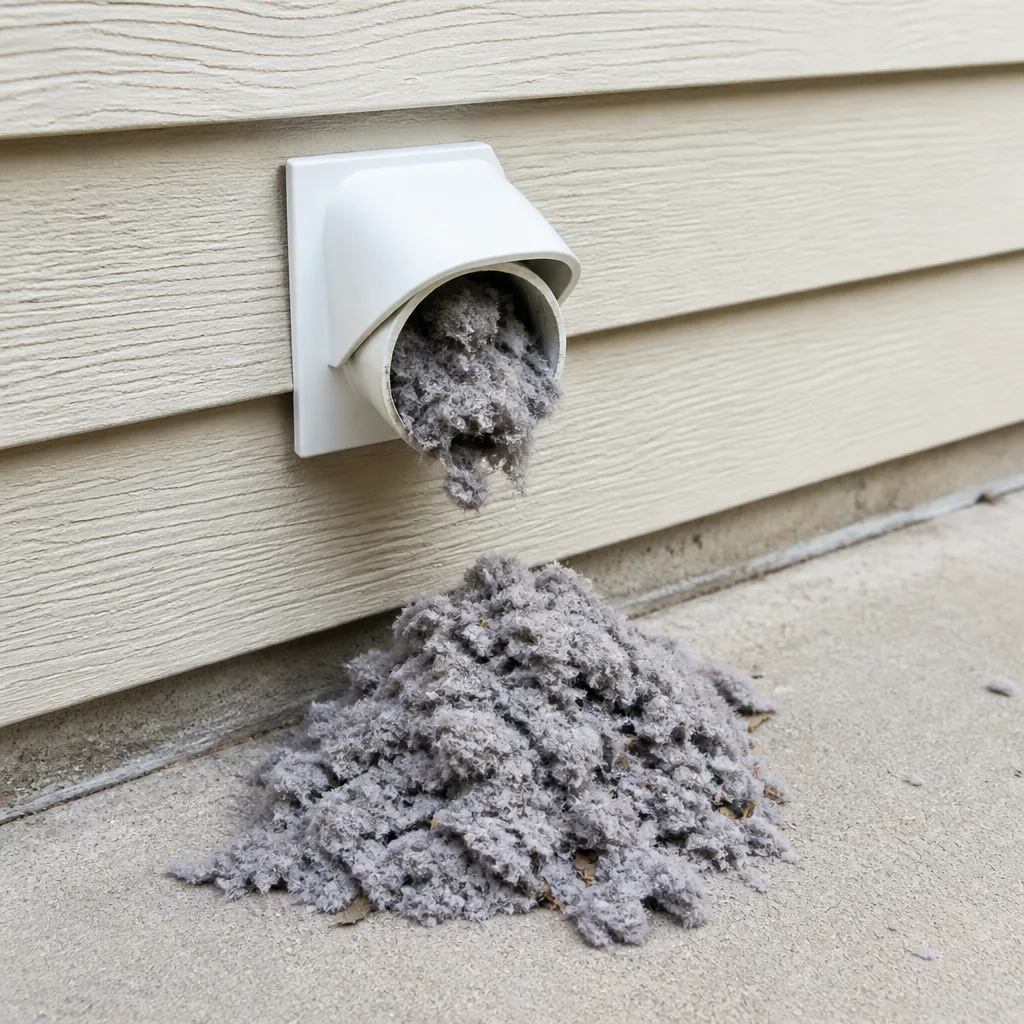 Dryer vent cleaning
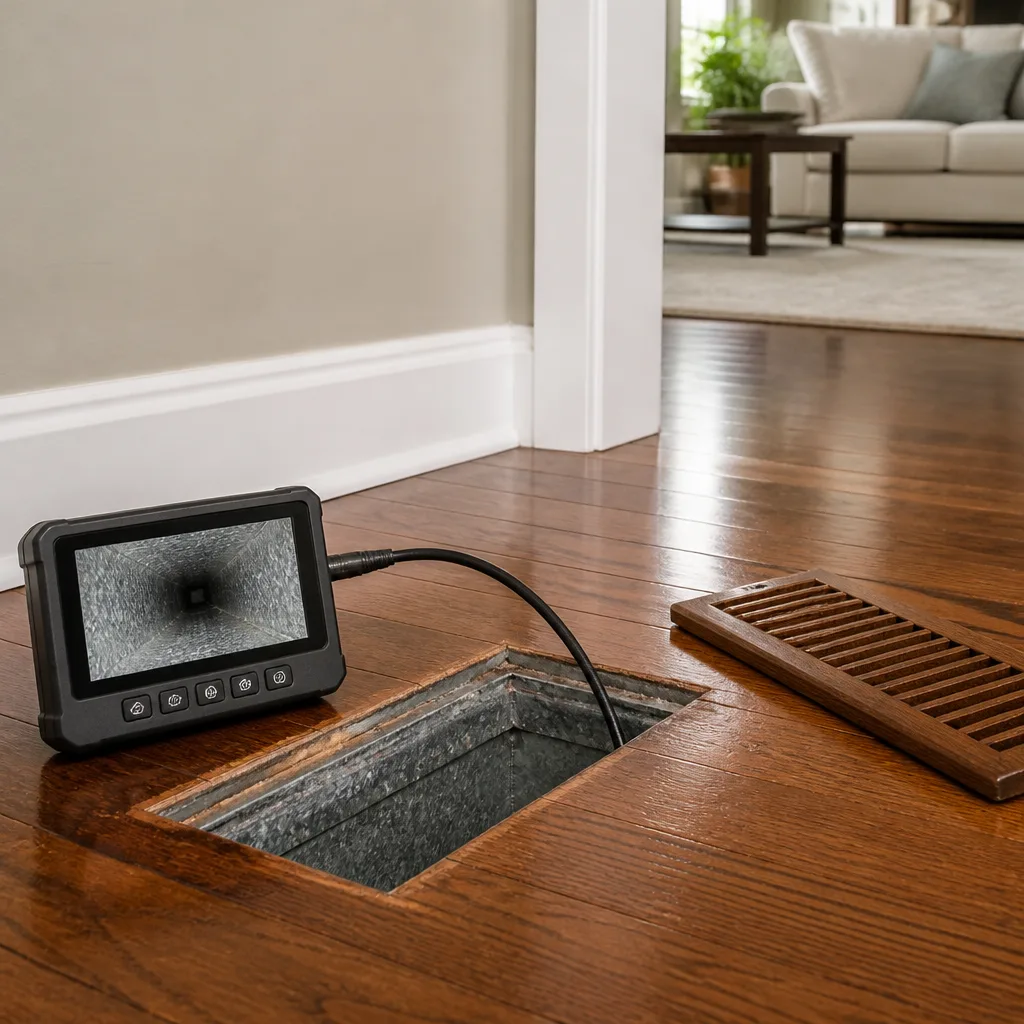 Camera inspection
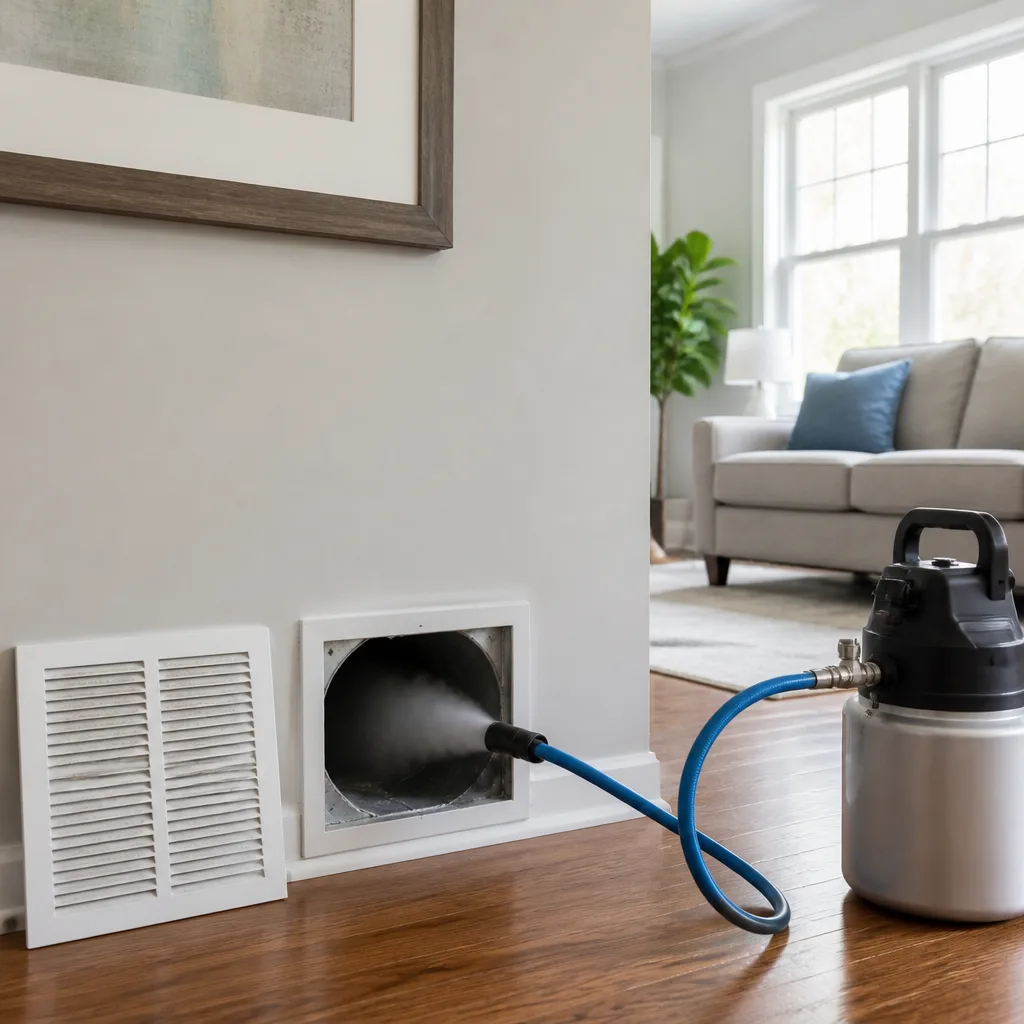 Sanitizing & deodorizing
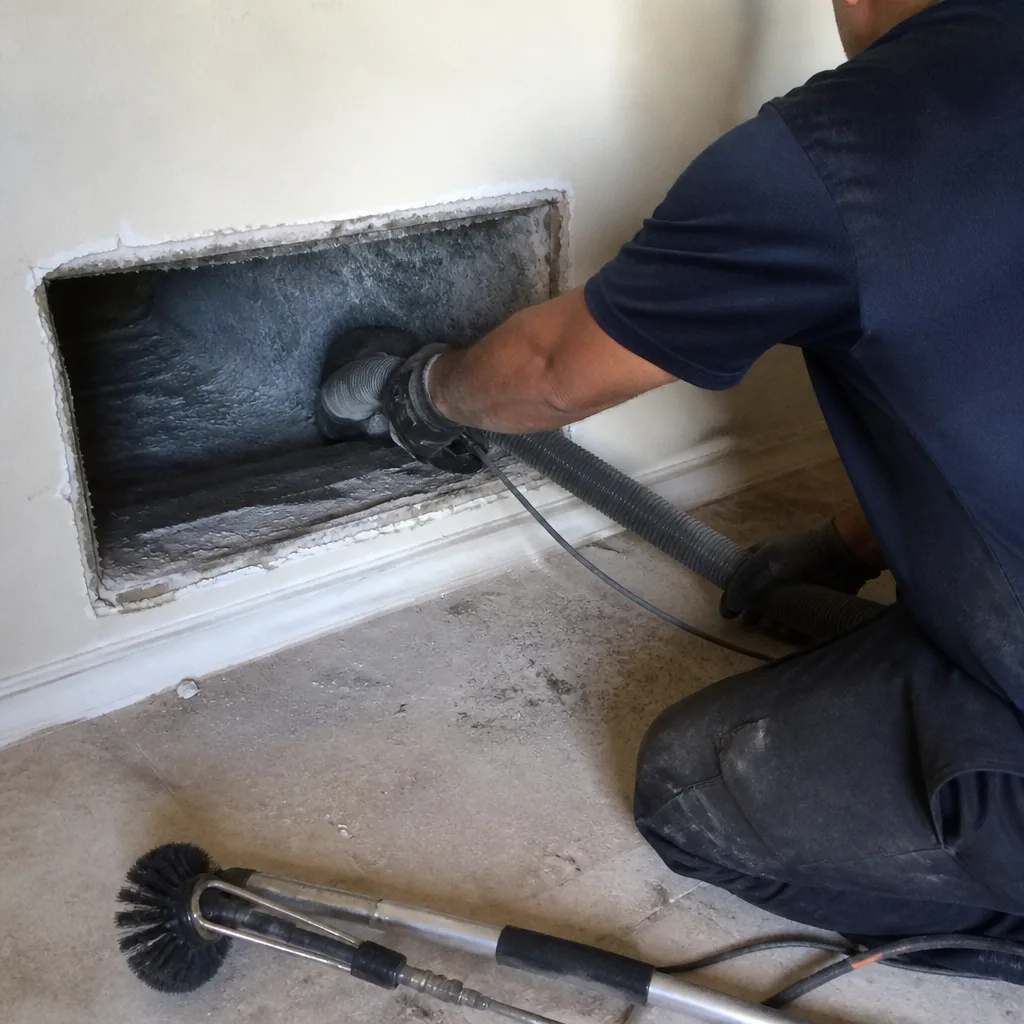
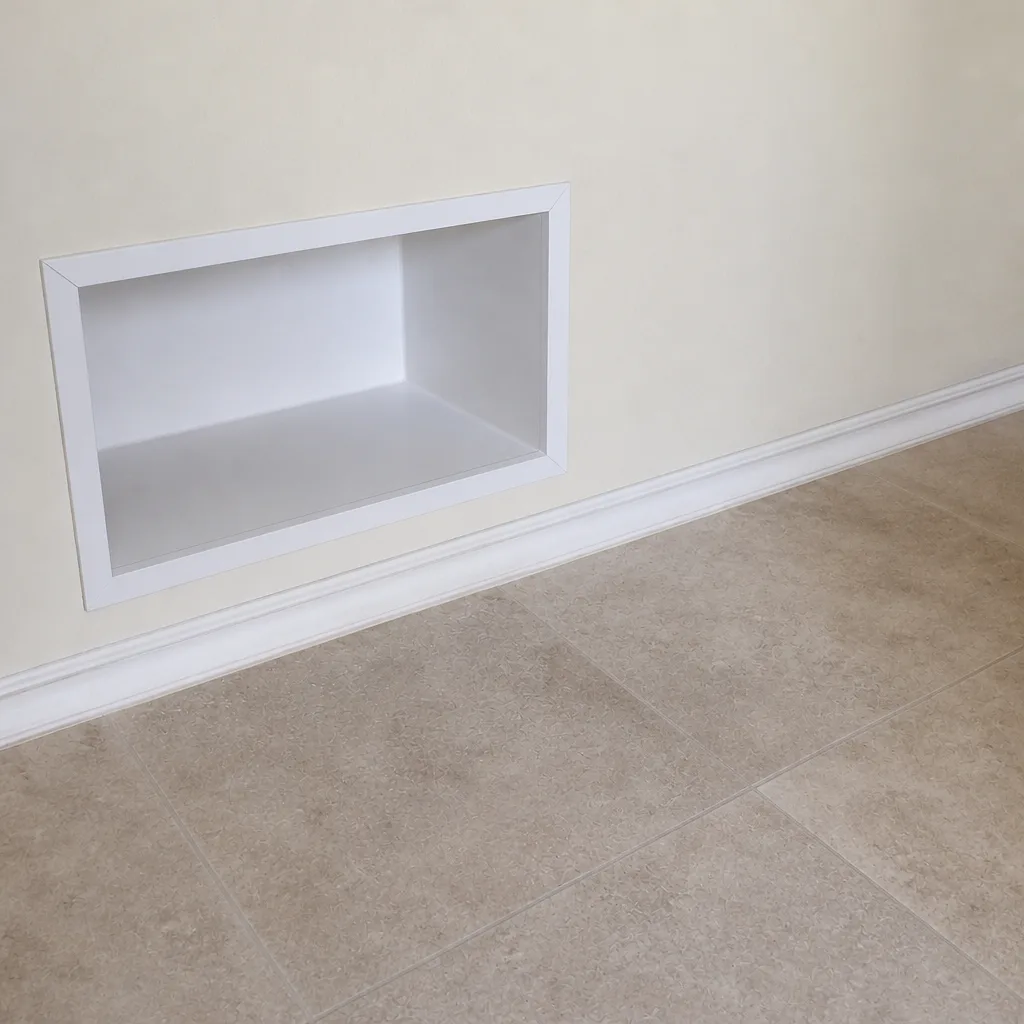
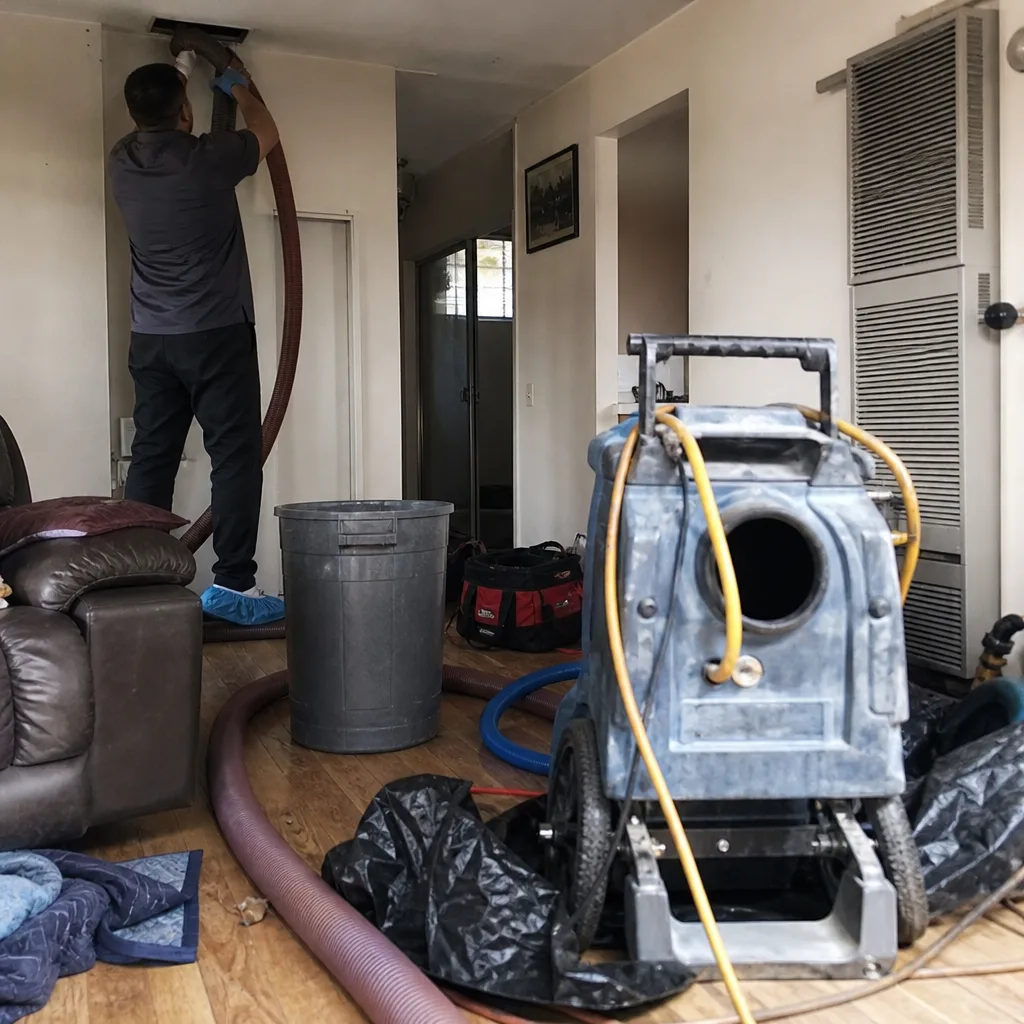
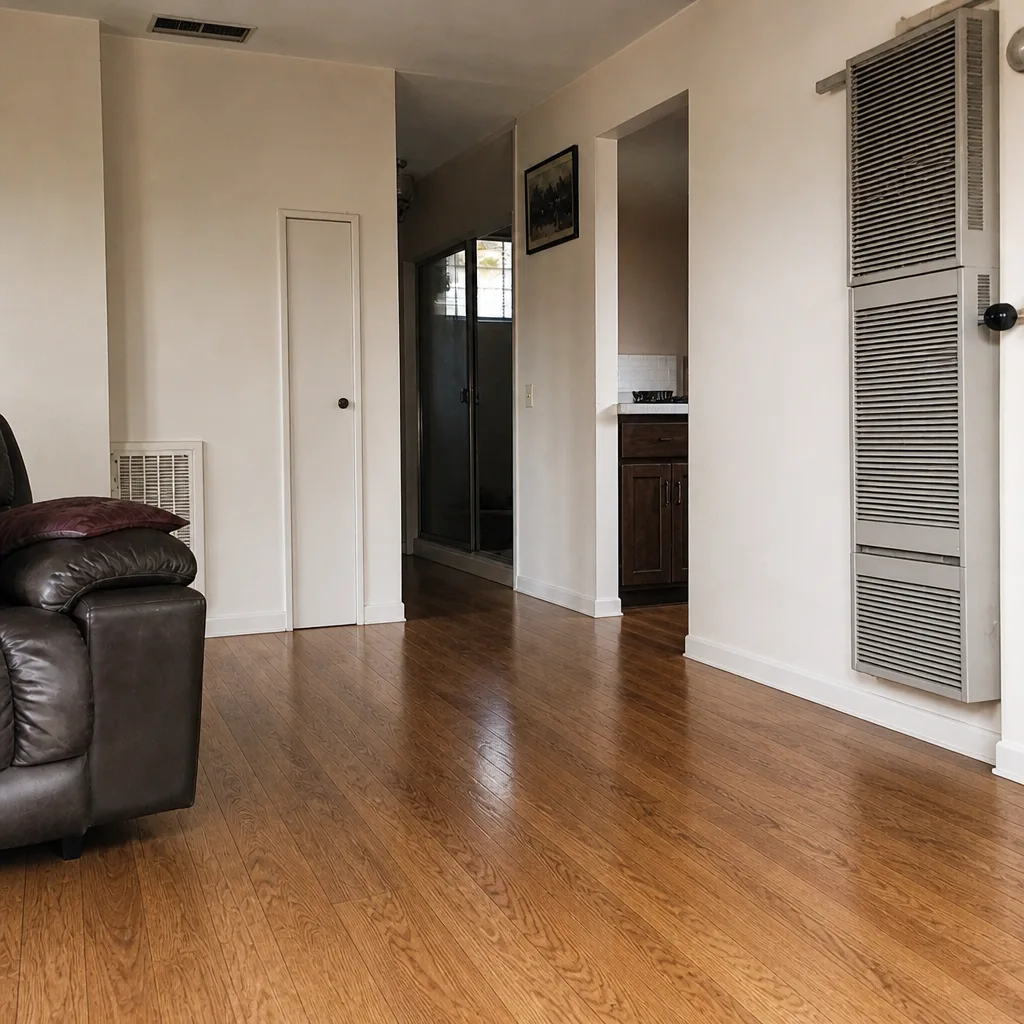
Whole-system duct and dryer vent check with before-and-after photos - you see exactly what came out of your vents
That "$99 whole-house special" is a bait ad - the real number appears once they are in your hallway, or the "clean" is a shop-vac at the register. We photograph the inside of your ducts before and after instead.
The Complete Guide to Air Duct Cleaning in Woodbridge
Most people picture duct cleaning as one machine sucking dust out of a vent. That picture is why so many cleanings disappoint. In a Woodbridge home, the duct system is a connected loop of returns, a blower cabinet, a supply trunk, and dozens of small branch runs, and contamination settles in different places along that loop. Clean the visible grille and the air behind it is unchanged. This guide maps the whole pathway, the parts that collect debris and the parts that stay passive, so you know exactly what “done” looks like before anyone starts a truck. We’ll also show you the equipment and proof tests that separate a real cleaning from a quick visit.
Quick Answer
A complete air duct cleaning in Woodbridge means removing the settled debris from every reachable part of the forced-air system, returns, supply trunks, branch runs, the blower cabinet, and the coil, under negative pressure so dust leaves the home instead of drifting into rooms. It’s done with contractor-grade extraction equipment and HEPA filtration, then verified with a camera and a visual walkthrough. Cleaning alone doesn’t fix leaks; those need repair and sealing to stop the air loss and contamination at the source.
Styles & brands we work with
- Whole-home duct cleaning
- Dryer vent cleaning
- Camera inspection
- Sanitizing & deodorizing
Table of Contents
- What the Full Air Pathway Looks Like in a Woodbridge Home
- How Woodbridge’s Valley Climate Shapes Duct Contamination
- Source Removal vs. Blow-and-Go: What the Standard Actually Means
- Contractor-Grade Equipment vs. Portable Units: Why CFM Matters
- Step by Step: How a Full-System Cleaning Works
- How You Verify the Work Was Actually Done
- Beyond Cleaning: Repair, Sealing, and Measured Air Quality
- When Cleaning Is Worth It and When It Isn’t
What the Full Air Pathway Looks Like in a Woodbridge Home
A forced-air system is a loop. Air enters through return grilles, travels down return ducts to the air handler, passes through a filter and the evaporator coil, gets pushed by the blower into the supply trunk, and then splits through branch runs to the supply boots in each room. Contamination builds where air slows and where surfaces stay damp or dusty. Understanding which parts of that loop collect debris, and which ones are passive, tells you what a cleaning has to cover.
- Return ductwork: a heavy collector. Because this line pulls air from the living space at low velocity, fine dust, pet hair, and fibers settle along the bottom of the runs, especially on long horizontal stretches common in single-story Woodbridge homes.
- Return grilles and filters: the first capture point. A clogged filter forces the blower to work harder and lets more dust bypass into the cabinet.
- Blower cabinet and fan blades: an active collector. Dust cakes on the wheel, unbalances it, and reduces airflow across every room.
- Evaporator coil: collects dust, and in a humid cooling season, that dust can bind with condensation to form a mat that chokes airflow.
- Supply trunk and branch runs: contamination settles on the bottom and along the seams, and leaks at those seams pull attic or crawlspace air in.
- Supply boots and register faces: visible accumulation from the room side.
- Dryer vent: a separate duct that lint loads over time and is a fire-safety concern, not just a maintenance item.
- Passive components: flexible connectors, plenum boxes, and filter racks hold dust on surfaces but don’t generate it. They still need cleaning, but leaks around them are the real problem.
That’s the loop a full-system approach has to touch. A crew that only vacuums the branch runs leaves the returns, the blower, and the coil untouched, and those are often where the heaviest load sits.
How Woodbridge’s Valley Climate Shapes Duct Contamination
Woodbridge sits in a hot, dry inland valley, and that climate leaves a specific fingerprint in the ductwork. Long dry summers and dusty agricultural surroundings mean fine, silt-like soil particles are pulled in through every small return leak and every open window, and because the air is dry for months, those particles stay loose and airborne longer than they would in a coastal home. Coastal houses deal with damp, sticky dust and mold pressure from humid air. A valley home is more likely to see dry, abrasive particulate, pet hair, and pollen that settles into a dense, fine layer.
When the cooling season runs hard, the system cycles constantly, and every cycle moves that dust through the filter and past the coil. The parts that suffer most are the return runs, the blower wheel, and the coil face. Where the filter is undersized or changed late, the coil can collect a mat that cuts cooling capacity and raises energy use.
The practical takeaway for Woodbridge homeowners: the dust you’re dealing with is fine and dry, and fine dry dust is exactly what cheap equipment misses. A consumer-grade shop vac or a portable unit with low flow won’t lift a settled silt layer from a long horizontal return because there isn’t enough air velocity to agitate it. Contractor-grade extraction uses high CFM (cubic feet per minute) and a rotating brush or air whip to loosen and carry that material out under negative pressure. That’s why equipment choice matters more here than it might in a humid climate where dust is heavier and clumps. For a detailed breakdown of the cleaning itself, see our air duct cleaning page.
Source Removal vs. Blow-and-Go: What the Standard Actually Means
Source removal is the approach the duct-cleaning industry’s recognized standard (published by NADCA, the National Air Duct Cleaners Association) describes: physically dislodging and removing contaminants from the system rather than masking or redistributing them. The contrast is “blow-and-go,” where a machine blows compressed air or a light vacuum through the ducts and moves dust around inside the system or out into the living space, then the crew leaves. Two methods, two very different results.
Here’s how they differ in practice:
- Source removal: every opening is placed under negative pressure, contact surfaces are agitated with a brush or whip, and the loosened material is captured by HEPA filtration before it can re-enter the home.
- Source removal: the blower cabinet, coil, and filter housing are cleaned, not skipped.
- Blow-and-go: a single machine runs and the crew treats the job as done once the visible grille looks cleaner.
- Blow-and-go: no containment, so dust is pushed into rooms or attic spaces.
You can ask directly which method a company uses and how they contain debris. If the answer is vague, that’s your answer. When you compare quotes, ask whether return and supply runs, the coil, and the blower are included or priced separately, and whether negative pressure and HEPA capture are part of the job. A fair quote names the components. A bait-and-switch quote names a low number and leaves the rest as surprises once the crew is on site. We think one clear price per system, agreed before any work starts, is the right way to run this, and it’s a standard worth demanding from anyone you hire in Woodbridge.
Contractor-Grade Equipment vs. Portable Units: Why CFM Matters
Airflow is the whole game. You can’t remove what you can’t lift, and you can’t lift settled debris without enough volume of moving air to agitate and carry it. That’s what CFM measures. A portable unit with a modest CFM rating works fine on a short, straight run, but it struggles on the longer, more winding duct layouts common in Woodbridge homes where a single-story plan can mean 40 or 50 feet from the farthest return to the air handler. By the time the flow reaches the end of a run, velocity has dropped and the fine silt layer stays put.
Professional extraction systems are built for that distance. Companies that clean ductwork at a commercial scale use equipment like Rotobrush and Nikro extraction machines because those units sustain high CFM and combine it with rotating agitation, so debris is loosened and pulled back along the whole run. Negative pressure is the second half of the equation. Containment and HEPA filtration from a manufacturer like Abatement Technologies let the crew hold the working area under vacuum while they agitate, so what comes loose is captured, not recirculated into your living room. That’s the difference between cleaning your ducts and cleaning your house’s air the wrong way.
What to look for, and what to be wary of:
- Ask what machine they run. A reputable company can name it. Brands like Rotobrush and Nikro are a good sign; “industrial vacuum” with no name is not.
- Ask about containment. HEPA filtration and negative pressure should be part of the setup, not an upsell.
- Watch the setup. If a crew arrives with a shop vac and a hand tool, the CFM conversation is over before it starts.
- Ask how they’ll prevent cross-contamination. A crew that seals registers and stages equipment properly is a crew that’s done this at scale.
Equipment doesn’t tell the whole story, but it tells you whether the company is built for whole-system cleaning or spot work. For the dryer side of the system, the same principle applies, and you can read more on our dryer vent cleaning page.
Step by Step: How a Full-System Cleaning Works
A complete cleaning follows a sequence. Skipping a step leaves a gap. Here’s the order a whole-system job should follow, and what to expect at each stage.
- Walkthrough and assessment. The crew maps the system, finds the returns, the supply trunk, the air handler, and any disconnected or damaged runs, and notes where leaks are likely. This is when you should hear which components are included.
- Setting up containment and negative pressure. HEPA filtration and containment are staged so the working area is under vacuum. Registers and openings are sealed to the equipment.
- Cleaning the return runs. A rotating brush or air whip agitates the settled layer while the extraction pulls it back. Long horizontal runs get the most attention here.
- Cleaning the supply trunk and branch runs. Each run is worked from the trunk outward, with agitation at the seams.
- Cleaning the blower cabinet and coil. The blower wheel is cleaned and inspected, and the coil face is cleaned so airflow is restored across the whole system.
- Cleaning the boots and register faces. The visible end of each run gets cleaned last, so nothing settles back after the fact.
- Filter check and replacement. A fresh filter is in place before the system is turned back on, and the crew notes the size and type for your baseline.
- Walkthrough and documentation. Before-and-after photos and a camera inspection close the job.
In Woodbridge, the sequence matters most in homes with a single air handler serving a long, branching layout. The returns carry the heaviest load, and the coil is the part most often skipped by a quick visit. If you also want the mechanical side cleaned, the process overlaps with HVAC cleaning, which addresses the air handler, coil, and blower as a unit.
How You Verify the Work Was Actually Done
The honest answer to “how do I know?” is that a complete job leaves evidence. A camera and a pressure check tell you more than a clean-looking grille ever will. Here’s a short list of proof tests you can ask for on any duct cleaning in Woodbridge.
- Before-and-after camera photos. A camera run down a return and a supply run, shot before and after, shows exactly what changed. Ask to see them, not just hear about them.
- A visual walkthrough. The crew should walk the system with you or leave a documented summary of what was cleaned and what wasn’t.
- Blower and coil inspection. If the coil and blower were cleaned, they should look it. Dirt on the wheel after the job is a red flag.
- Filter baseline. A new filter with the date noted gives you a starting point for checking how fast the system loads up.
- A pressure or airflow check. Airflow across the system should improve after cleaning. A simple check of static pressure before and after is a measurable confirmation.
We use before-and-after photos of a homeowner’s own ducts as the proof, because that’s the one piece of documentation no one can fake. If a company can’t show you the inside of the system after the work, the work is a claim, not a result. Our Woodbridge Air Duct Cleaning overview explains how we handle documentation on every job.
Beyond Cleaning: Repair, Sealing, and Measured Air Quality
Cleaning removes what’s there. It doesn’t fix a leaky seam or a disconnected run, and those leaks are often why a system that was just cleaned loads up again quickly. In a valley climate, every gap in the return side of the system pulls fine particulate in from attics and unconditioned spaces, so sealing is how you stop the contamination from coming back at the source. That’s why we treat repair and sealing as part of the air pathway work, not a separate problem.
What a repair-and-seal stage covers:
- Finding leaks at seams, joints, and connections that cleaning can’t close.
- Resealing disconnected or poorly fitting runs that lose air before it reaches a room.
- Repairing damaged flexible connections and filter racks so air moves where it’s supposed to.
- Confirming the system holds pressure after sealing, so the improvement is measurable.
Once the pathway is tight and clean, whole-home air quality products make sense. Honeywell and Aprilaire filtration and IAQ components integrate with your existing system to capture what a standard filter misses, which is the difference between a cleaned vent and measured air quality. Dryer vent cleaning fits into the same safety picture. Lint accumulation in a dryer vent is a leading cause of residential fires, and it’s the kind of thing that gets ignored because nothing looks wrong from the laundry room. Cleaning, repair, sealing, and sanitizing under one company means you’re not calling four vendors for one connected system. The Woodbridge Air Duct Cleaning team handles the full pathway.
When Cleaning Is Worth It and When It Isn’t
The EPA has stated that duct cleaning has not been proven to prevent health problems, and plenty of companies use that line to justify either selling you a cleaning or telling you to skip it. The finding was based on incomplete cleaning methods, not on the full-system process that actually moves contamination out of the home. The honest position is that cleaning pays off when there’s something to clean. Here’s how to tell.
Worth doing when:
- You’ve moved into a home with an unknown duct history and want a baseline.
- Someone in the household has allergies or asthma and the return grilles are visibly loaded.
- You’ve had pets for years and the return runs carry hair and dander.
- You’ve had renovation or remodeling dust pulled into the system.
- The blower wheel or coil is dirty and cooling performance has dropped.
Probably skip it when:
- The system is clean, the filter is changed on schedule, and no one has symptoms.
- You haven’t had pets, smoking, water damage, or remodeling.
- Someone is pushing a heavy cleaning on a system that was checked and found clean.
If you’re not sure, a walkthrough and a camera look at a return will settle it. That’s a diagnostic question, not a sales pitch.
Common Mistakes to Avoid
- Hiring on price alone. The lowest quote in Woodbridge is often a blow-and-go job with no containment, and the dust ends up in your rooms. Ask what equipment, what components, and what proof before you compare numbers.
- Skipping the returns and the coil. A crew that only vacuums the supply runs leaves the heaviest load behind. Confirm the return runs, blower, and coil are included.
- Believing a low teaser price is the final price. Bait-and-switch works by adding line items once the crew is on site. One flat price per system, agreed upfront, is the standard to demand.
- Ignoring leaks because the ducts are “clean.” Cleaning a leaky system is a short-term fix. Sealing is what stops the next round of contamination, and it’s the step most often skipped.
- Forgetting the dryer vent. Lint accumulation is a fire-safety issue and it’s separate from the HVAC ductwork, so it deserves its own attention.
- Not asking for photo proof. Without before-and-after camera shots, you have no way to confirm the work. No documentation, no confidence.
- Changing the filter but never checking the blower. A clogged wheel quietly cuts airflow to every room. Cleaning and inspection go together.
See the difference
 Before
 After
 Before
 After
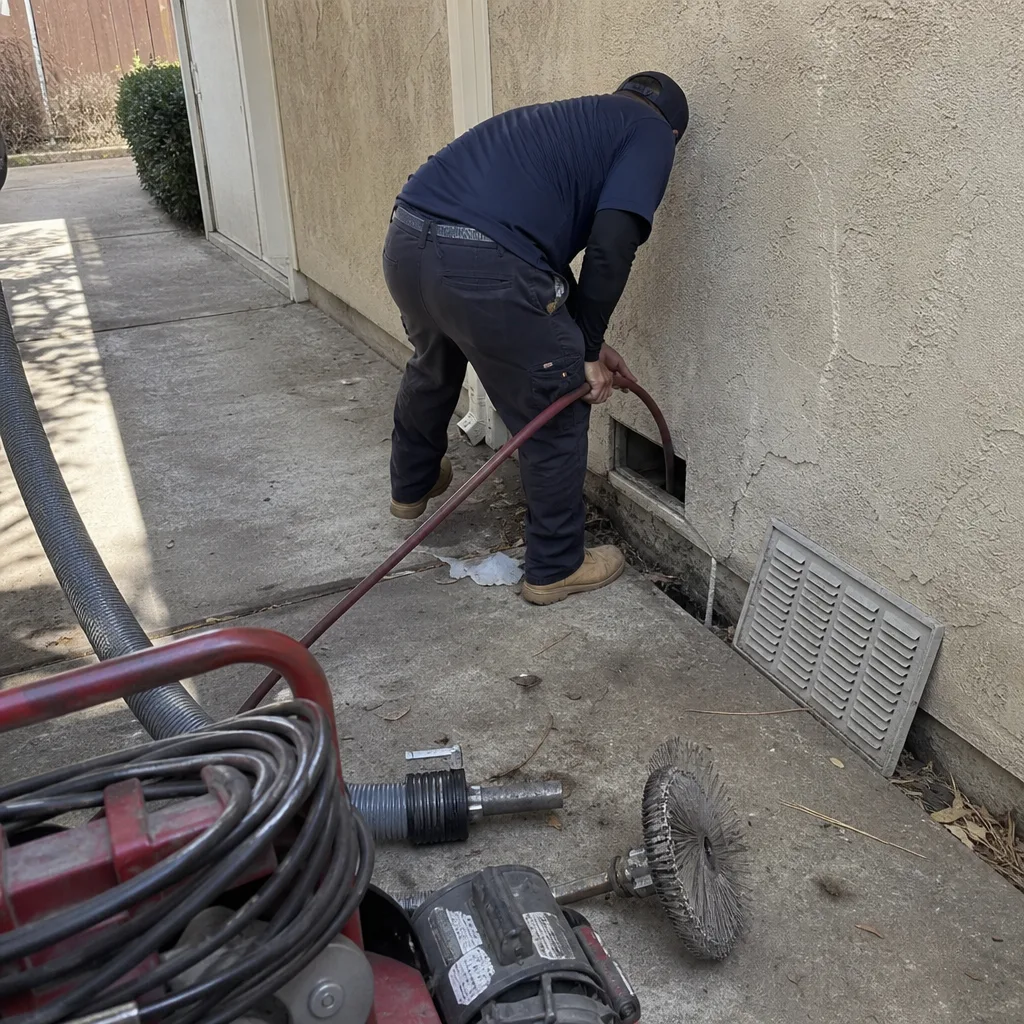 Before
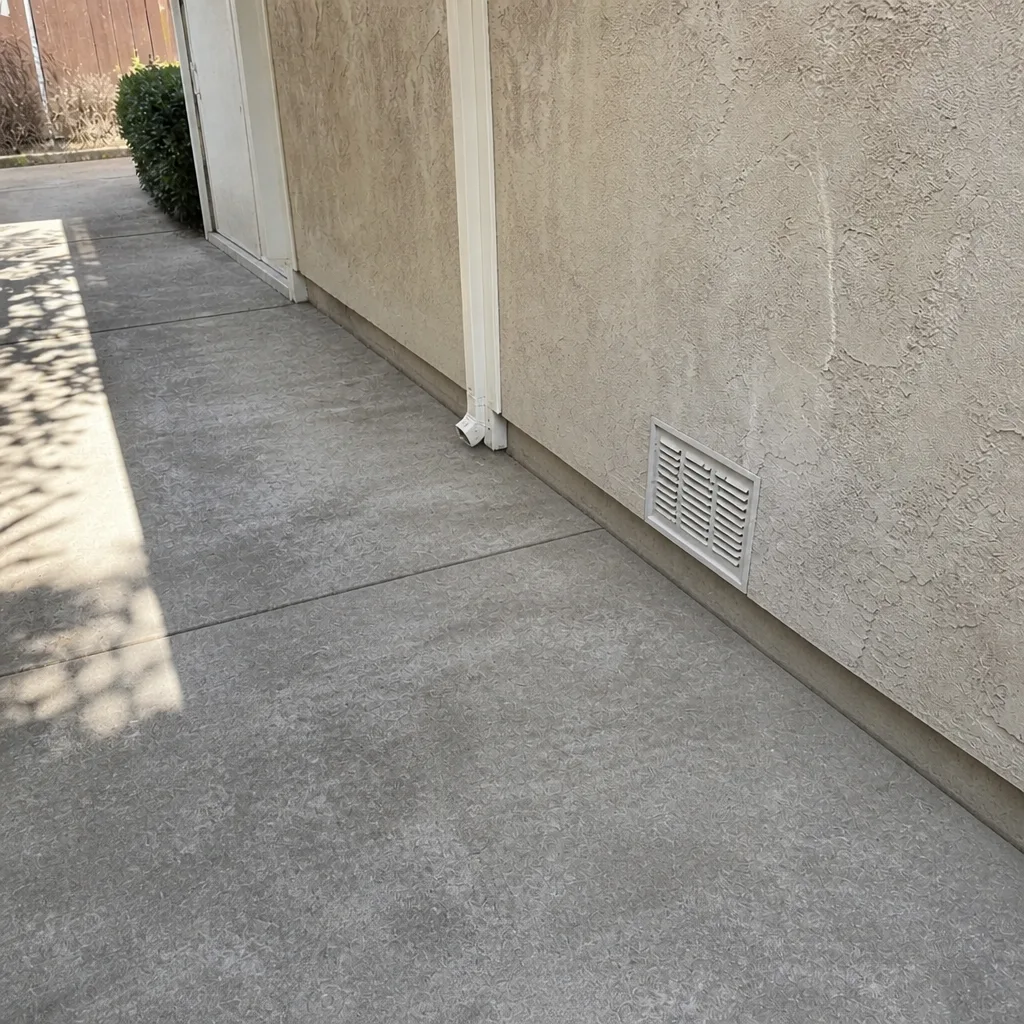 After
When to Call a Professional
Call a professional when the symptoms point to the system itself rather than a single filter. Persistent dust on return grilles shortly after cleaning, a musty or stale smell when the system kicks on, uneven airflow between rooms, or cooling that’s weaker than it used to be are all signs worth a professional look. If you’ve moved into a home and don’t know when the ducts were last cleaned, a walkthrough is the right first step. Pet owners and households with allergy or asthma sufferers often find the returns are where the load sits. The same goes for the dryer vent: if it’s been years, or the dryer takes longer to dry, have it checked. Woodbridge Air Duct Cleaning offers free estimates in Woodbridge. Call (855) 658-4123 to book a walkthrough, and we’ll show you what’s actually in the system before you commit to anything.
Frequently Asked Questions
Most whole-system cleanings in the Woodbridge area fall into a range that depends on the number of runs, the layout, and whether the job includes the coil and blower, with the written estimate setting the final price. We quote one flat price per system after a walkthrough, not a per-vent number, so you know the total before work starts. Call (855) 658-4123 for a free estimate.
Cheap quotes usually leave out containment, the coil, or the returns, or they use portable units that can’t lift settled debris. The low number is a starting point, and the extra line items show up once the crew is on site. Ask what the quote includes and what equipment it uses. Call (855) 658-4123 for an honest, itemized estimate.
Ask for before-and-after camera photos of your own ducts, a walkthrough of what was cleaned, and a look at the blower and coil after the job. Documentation is the proof. We photograph the system so you can see the difference yourself. Call (855) 658-4123 to arrange a cleaning with photo documentation.
Most homes don’t need it on a set schedule. The better trigger is conditions: a new home with unknown history, pets, recent remodeling, allergy or asthma concerns, or a visibly loaded return. Check the filter on schedule and look at the returns; if they load up fast, it’s worth a professional look. Call (855) 658-4123 for a free assessment.
It changes what kind of debris you’re dealing with rather than how often you need to clean. The fine, dry particulate in this valley settles into return runs and the blower and needs high-CFM equipment to lift. A camera look at a return will tell you if it’s time. Call (855) 658-4123 for a walkthrough.
Yes. Both are part of the same air pathway, and handling the HVAC ductwork and the dryer vent together saves you a second appointment. Dryer vent cleaning is a safety service because lint buildup is a leading cause of residential fires. Call (855) 658-4123 to schedule both.
The Bottom Line
A complete cleaning in Woodbridge means the whole loop, returns, supply runs, blower, coil, and boots, cleaned under negative pressure with contractor-grade equipment, then documented with photos and inspection. Equipment matters because fine valley dust needs high CFM to move. Repair and sealing matter because cleaning a leaky system is temporary. Pick the company that can name its equipment, show its proof, and give you one flat price before work starts. Cleaning, repair, sealing, and sanitizing the full air pathway is the standard worth holding out for. Call (855) 658-4123 for a free estimate. We answer 24/7, and fast dispatch runs from 7am to 7pm, Sunday through Friday.
Written by the team at Woodbridge Air Duct Cleaning.