
Last updated November 24, 2026
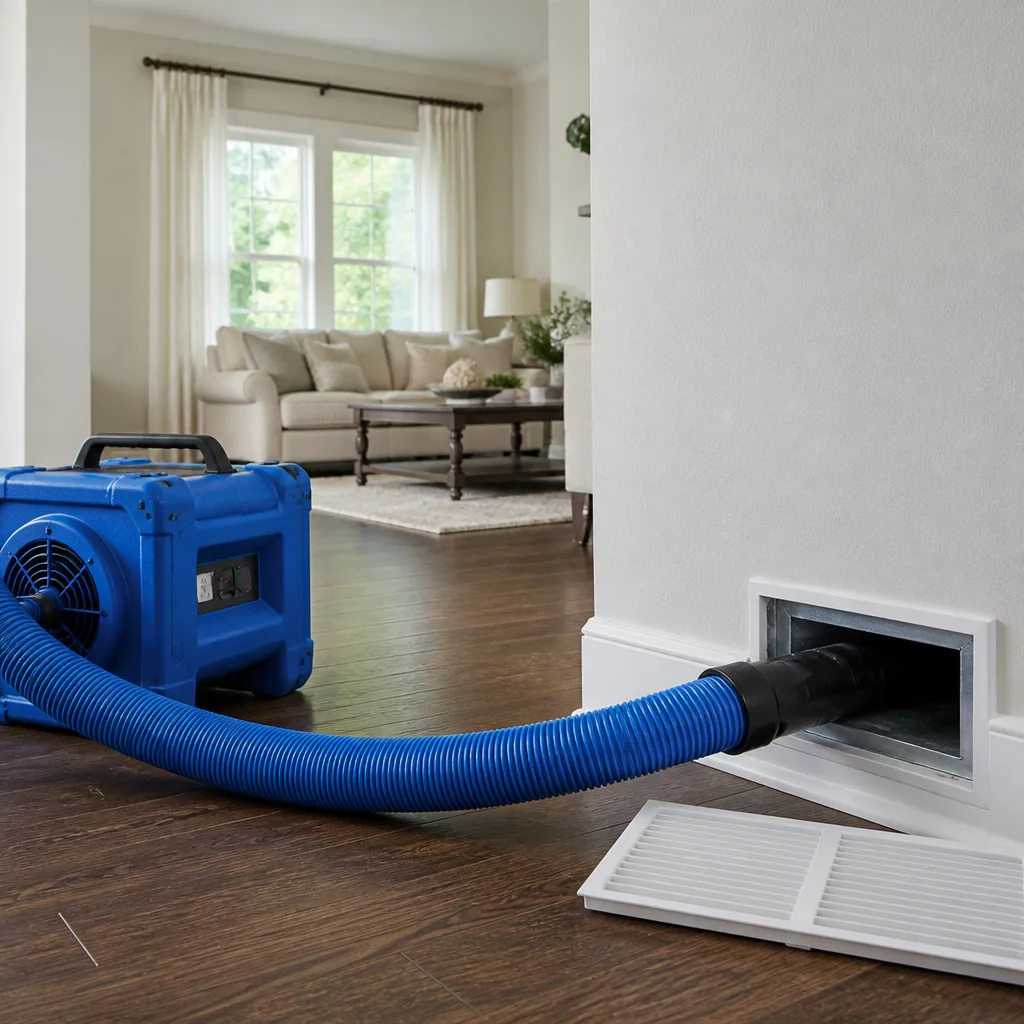 Whole-home duct cleaning
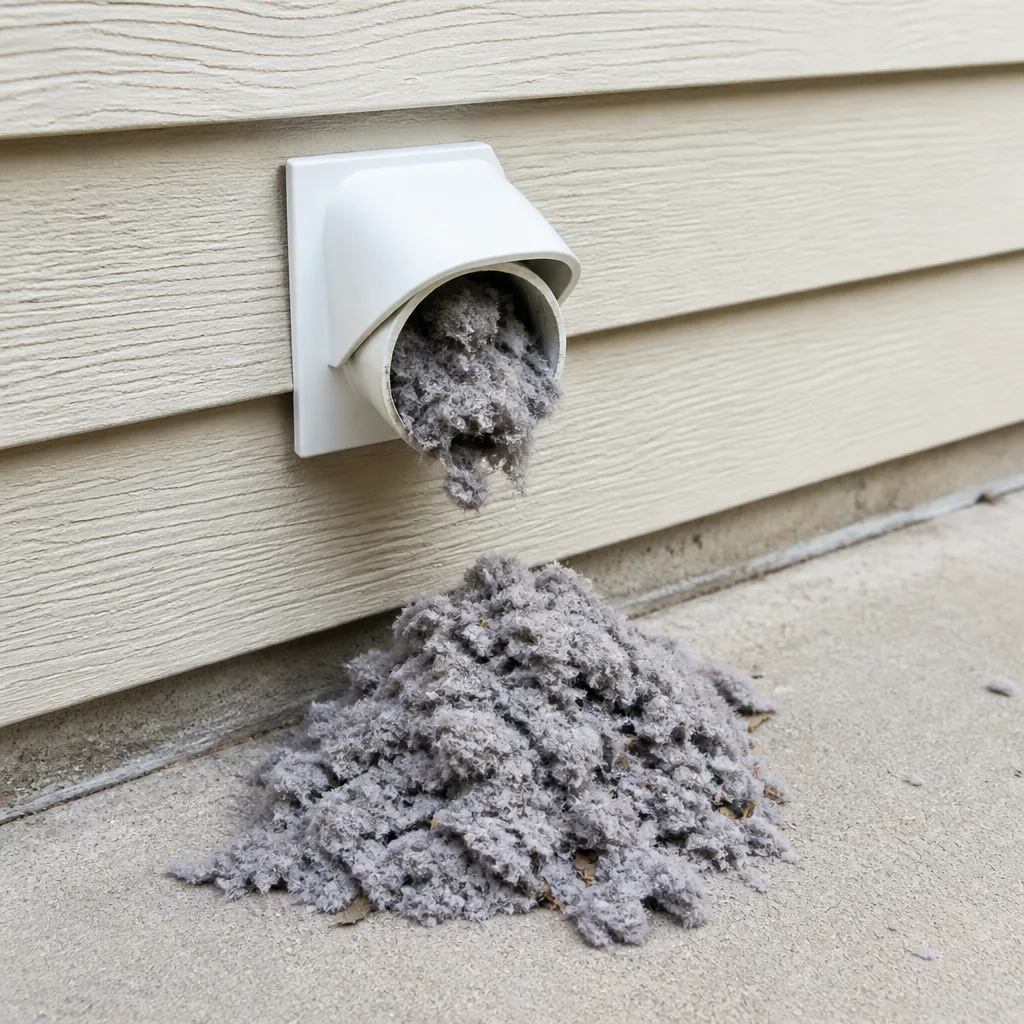 Dryer vent cleaning
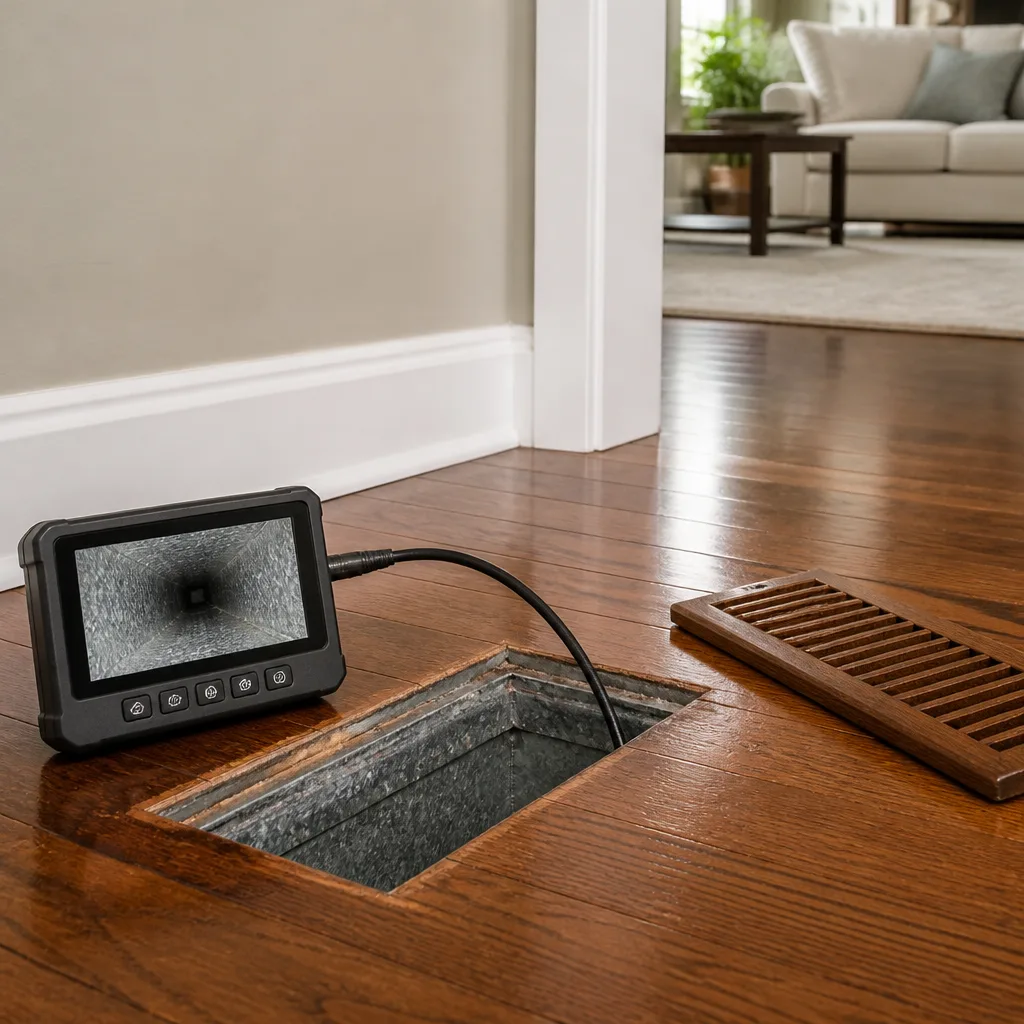 Camera inspection
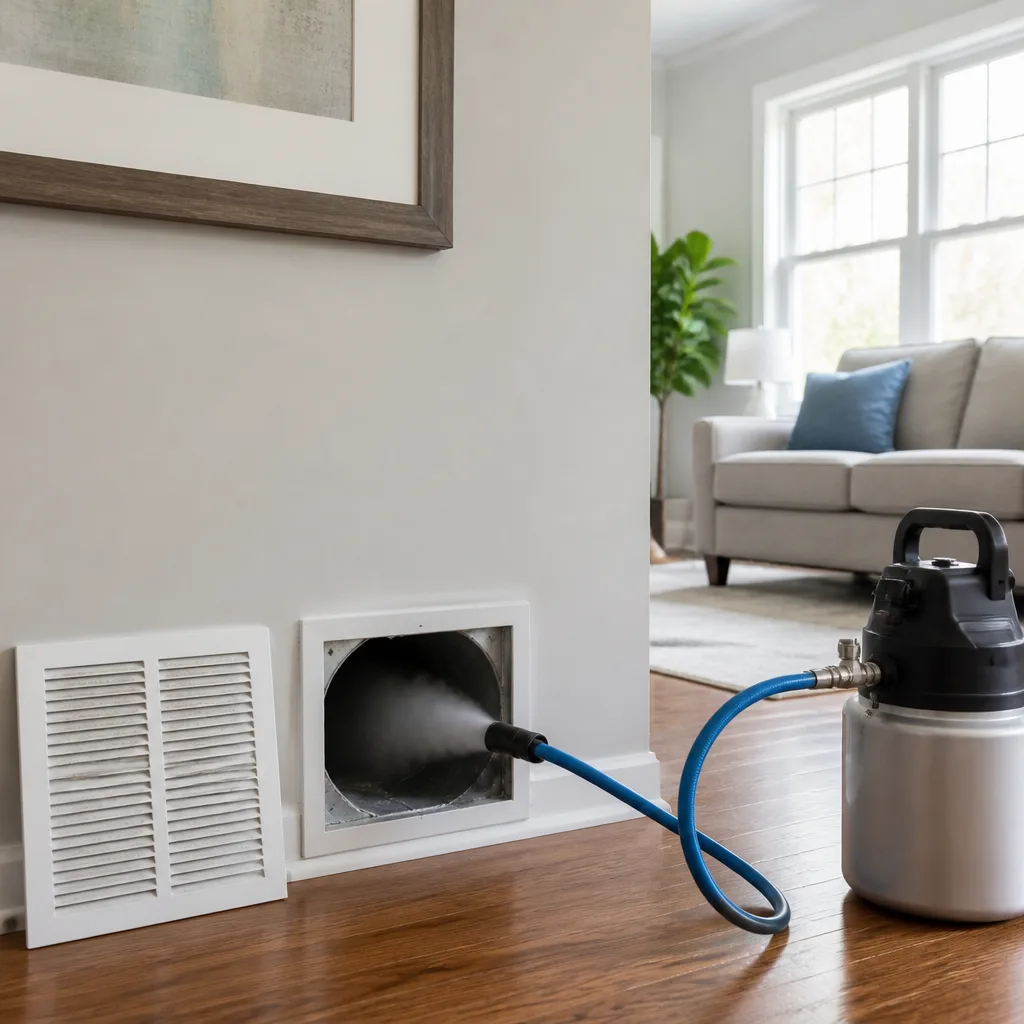 Sanitizing & deodorizing
Whole-system duct and dryer vent check with before-and-after photos - you see exactly what came out of your vents
That "$99 whole-house special" is a bait ad - the real number appears once they are in your hallway, or the "clean" is a shop-vac at the register. We photograph the inside of your ducts before and after instead.
How to Hire an Air Duct Cleaning Contractor in Woodbridge: A Step-by-Step Guide
In California, a company can legally advertise air duct cleaning with nothing more than a business license. There is no state certification required to clean the ducts your family breathes through every day, which is exactly why knowing what to ask matters more than trusting that someone showed up with a hose. A contractor-grade operator and a one-van outfit can print the same business card. What separates them is equipment, a written scope, and a willingness to answer hard questions before they touch your system. This guide walks you through a vetting sequence that tells a full-system specialist from an opportunistic upseller, using Woodbridge homes and the local climate as the backdrop.
Quick Answer
Hiring an air duct cleaning contractor in Woodbridge means verifying five things before you schedule: the equipment they use (Rotobrush, Nikro, or Abatement Technologies are contractor-grade), whether they perform camera inspection, that they provide a written scope of work with a flat price, that containment and HEPA filtration are part of the job, and that they’ll put sanitization, duct repair, and any add-ons in writing rather than springing them mid-job. Because California requires no certification for duct cleaning, the burden of screening falls on you. Ask the questions, get the scope in writing, and verify the work after the truck leaves.
Styles & brands we work with
- Whole-home duct cleaning
- Dryer vent cleaning
- Camera inspection
- Sanitizing & deodorizing
Table of Contents
- Why California Doesn’t Regulate Duct Cleaning (And What That Means for You)
- The Five Questions to Ask Before You Schedule
- What NADCA Membership Really Means
- Red Flags Specific to Low-Bid Operators in Woodbridge
- How to Read a Duct Cleaning Quote
- Camera Inspection and What It Reveals
- Post-Job Verification Checklist
- What Woodbridge’s Climate Means for Your Ducts
Why California Doesn’t Regulate Duct Cleaning (And What That Means for You)
California does not issue a license for air duct cleaning. A business license and a tax ID are enough to put a truck on the road and start taking calls. That puts duct cleaning in a very different category from HVAC installation, electrical, or plumbing work, all of which fall under the Contractor State License Board. When a trade isn’t regulated at the state level, the market fills the gap with whatever the operator chooses: some invest in contractor-grade equipment, some buy the cheapest portable machine available and call it a day.
For Woodbridge homeowners, this means the phrase “licensed and insured” is doing very little work on its own. Most legitimate duct cleaners here carry general liability and a business license, and those matter, but they don’t tell you whether the technician on your doorstop knows how to run negative pressure or measure airflow. The state doesn’t test that. Nobody does except the operator.
Here’s what you can verify independently, in order of usefulness:
- Insurance certificate: ask for a current certificate of insurance naming general liability, and read the coverage limits. Don’t take “we’re insured” as an answer.
- Equipment brand and model: a real answer names brands. Rotobrush and Nikro are the contractor-grade standard. If they can’t name their machine, they don’t own a serious one.
- Written scope: a legitimate operator will send a written scope of work before the appointment. Vague verbal pricing over the phone is a tell.
- Camera inspection offer: any crew that cleans without inspecting first is guessing.
In our experience, the operators who welcome these questions are the ones you want. The ones who get defensive about equipment specs or won’t put anything in writing are telling you something too. If you’d like to see how we approach the work itself, our Woodbridge Air Duct Cleaning page lays out the equipment and services in detail.
The Five Questions to Ask Before You Schedule
Ask these five questions before you book. A qualified contractor answers all five without hesitation and without a sales spin. A low-bid operator answers two and sidesteps three.
- What equipment do you use? The right answer names a truck-mounted or high-powered portable extraction system with HEPA filtration. Rotobrush and Nikro are the contractor-grade brands. A shop vac or an entry-level machine isn’t built for the debris load of a full residential system.
- What CFM does your machine produce? CFM is cubic feet per minute of airflow, and it’s the number that actually moves debris out of a duct run. Ask for it in writing. Anything in the low hundreds is hobbyist grade. Real equipment pushes well above that, and the operator should know the spec without looking it up.
- Is sanitization included or upsold? Some contractors include a basic sanitizing treatment; others hold it back as a $200-plus add-on. Either way is fine, but you need to know before the technician is in your attic making the ask.
- Will you use containment and HEPA filtration during the job? This is the difference between capturing dislodged debris and blowing it around your house. Abatement Technologies containment systems are the standard. If they don’t use containment, your furniture and countertops will tell you.
- Will I get a written scope of work and a flat price before work starts? The answer should be yes, and the price should be per system, not per vent. Per-vent pricing invites padding and surprises.
Notice that none of these questions is about the company’s personality, its truck wrap, or how many stars it has on a review site. They’re about measurable specifics. The same goes for our own workflow: if you want to see what a scope for air duct cleaning looks like, we’ll send one before any scheduling decision is made.
Why These Questions Cut Through the Noise
Five minutes of asking, done before you commit to a date, will tell you more than an hour of reading a company’s website. The industry’s bait-and-switch reputation comes from operators who keep their equipment specs vague on purpose. When you push for specifics, the ones who have nothing to hide will answer in detail. The ones who won’t answer aren’t worth your call.
What NADCA Membership Really Means
The National Air Duct Cleaners Association (NADCA) sets standards for duct cleaning that a lot of the industry relies on. Its most important publication is ACR, the Assessment, Cleaning, and Restoration standard, which describes how a professional duct cleaning should be organized and performed. NADCA membership means a company has agreed to work within that framework and has access to the association’s certification programs.
What it doesn’t guarantee:
- That every technician on the job is certified. Individual certification is separate from company membership.
- That the specific job at your home will be done to the standard. Membership is a commitment, not an audit.
- That the company uses contractor-grade equipment. A company can be a member and still operate a mixed fleet.
- That pricing will be fair or the scope honest. Membership doesn’t police business practices.
So NADCA membership is a useful signal, not a substitute for your own vetting. You can check a company’s membership status directly on the NADCA website rather than taking a contractor’s word for it. If a company claims membership and isn’t listed, that tells you something about their general approach to accuracy. And if a company doesn’t claim membership, ask them – many careful operators follow the ACR standard without being formal members.
For a Woodbridge homeowner, the practical takeaway is this: treat NADCA membership as one checkbox among several, not as a license to stop asking. Combine it with equipment verification, written scope, containment practices, and camera inspection. That combination is what separates a full-system specialist from a crew with a machine.
Red Flags Specific to Low-Bid Operators in Woodbridge
Low-bid operators follow a predictable playbook. The signs are usually visible before the technician arrives, if you know where to look. We’ve seen all of them in the Woodbridge area, and they’re worth recognizing early.
Vague Pricing Over the Phone
A qualifier like “it depends” is fine on its own, but an operator who won’t quote a range or describe what the price depends on is avoiding commitment. In this trade, pricing is almost always per system: the size of the home, the number of supply and return runs, and the condition of the ducts. A contractor can explain that on the phone in two minutes. If they won’t, they’re keeping the price flexible so they can expand it later.
No Camera Inspection Offered
Without a camera, nobody can say what’s actually in your ducts. They can guess, and they usually guess that there’s more contamination than expected once they’re inside. Camera inspection isn’t an optional add-on; it’s how you and the contractor both know what you’re dealing with. If the quote comes without it, the price isn’t coming from a real assessment.
No Written Scope of Work
A written scope lists what’s being cleaned, what’s being inspected, whether sanitization is included, whether containment is used, and what the total price is. Without that document, “we’ll clean your ducts” means whatever the technician decides on the day. A contractor who won’t put scope in writing is leaving room to expand it.
Pressure to Decide Today
Any same-day urgency that isn’t tied to an actual emergency should raise your guard. Duct cleaning is a scheduled job. There’s no reason your home needs to be booked in the next hour to avoid a price change. If pressure to decide arrives, walk away from the call and try the next operator.
Add-Ons Introduced Mid-Job
Sanitizing, sealing, and repair are legitimate services. What isn’t legitimate is a technician discovering them only after they’ve started. If the scope didn’t mention them and the price changes once the crew is inside, that’s not a discovery, that’s a script. A qualified contractor will offer these as part of the written scope, or offer them after inspection, with a separate written price you choose to accept or decline.
Per-Vent Pricing
Vent-by-vent pricing sounds transparent and functions as a lever. It rewards the crew that counts more vents and penalizes the homeowner with a larger system. Whole-system pricing is the honest version.
How to Read a Duct Cleaning Quote
A well-built quote has a recognizable structure. Here’s what should always appear, in our view, and what should never:
Line items that belong on every quote
- System description: supply runs, return runs, HVAC component cleaning scope, number of registers and grilles.
- Equipment named: the extraction system brand and model, and whether the crew brings containment and HEPA filtration.
- Camera inspection: whether it’s before, after, or both, and whether the footage is shared with you.
- Labor and disposal: the crew size for your home and how debris is removed from the property.
- Flat total per system: one number for the whole job, not a per-vent figure.
Line items that should be bundled vs. separate
Cleaning of the supply runs, the return runs, and the HVAC components belong together as one cleaned-air-pathway job. Splitting them into separate line items is a way to advertise a low quote and then add them one at a time. Sanitization can legitimately be separate if it’s a choice: some homeowners want it, some don’t. Duct repair and sealing should be separate every time, since it’s a different service with different labor and materials.
Legitimate add-ons vs. padding
Legitimate add-ons are services with a measurable outcome: sealing specific leaks that the camera showed, applying a sanitizer, replacing a filter, and installing air quality products such as a Honeywell or Aprilaire filter. Padding looks like “disinfection,” “fogging,” or “deep cleaning” sold as separate line items when they’re really the same cleaning task renamed. If a homeowner can’t tell what the line item does to their air, it isn’t a service, it’s a price.
Camera Inspection and What It Reveals
Camera inspection is the assessment step that makes the rest of the process honest. A small camera fed into the duct runs shows the inside of the system: visible dust accumulation, the condition of the flex or rigid duct, any crushed sections, gaps at the joints, and hardware or debris that shouldn’t be there. Before the camera, everyone is guessing.
Here’s what a proper inspection gives you:
- A starting record. Footage or photos of the system before cleaning, so the “before” is documented rather than described.
- A scope informed by what’s actually there. A system with heavy buildup in the return trunk needs a different cleaning than one that’s mostly clear with a few problem runs.
- A case for repair if it exists. If a joint has separated or a flex run has collapsed, camera footage is the evidence. Repair becomes a specific fix, not an upsell.
- An after check. The same camera, post-cleaning, documents what changed.
For a Woodbridge home, camera inspection matters more than it does in wetter climates. Woodbridge sits inland, and the dry air here means ductwork in older homes tends to accumulate fine dust and dry debris rather than the moisture-driven buildup you’d see closer to the coast. That dust is easy to dislodge and easy to blow back into the living space during a sloppy cleaning. The camera tells the operator where to be careful and where to be thorough.
Ask whether the camera footage is yours. It should be. Before-and-after photos of your own ducts are a normal part of a professional job, and any operator who resists sharing them is telling you something.
Post-Job Verification Checklist
The truck leaving is not proof the work was done. Use this checklist before you consider the job complete.
- Check the register airflow. Turn the system on. Airflow at each register should feel even and unblocked. A noticeable drop compared to before is worth a call.
- Look at the register covers and grilles. They should be visibly cleaner than they were. If the covers weren’t wiped down, the registers probably weren’t cleaned properly.
- Walk the floor. A small amount of settling is normal. A visible layer of dust across the furniture, counter tops, or window sills means the containment wasn’t working.
- Review the after-inspection footage. The camera should have gone back in. Ask for the footage and watch it. Before-and-after photos of your own ducts should be in your hand before anyone leaves.
- Check the HVAC components. The evaporator coil and blower compartment should be part of the cleaned scope. Open the panel (with the power off) or ask the technician to show you the inside of the cabinet.
- Confirm ancillary services were done to scope. If you paid for a dryer vent or a duct seal, verify it separately. Dryer vent cleaning in Woodbridge should be a scope item in its own right, not a footnote; if you want to see how we document it, the dryer vent cleaning page shows what that scope includes.
- Read the invoice against the quote. The flat total you agreed to is the total. If the invoice is different, insist on an explanation before paying.
None of these steps requires tools or technical training. They just require attention to the specifics of what you paid for.
What Woodbridge’s Climate Means for Your Ducts
Woodbridge’s climate is mild and dry much of the year, with warm summers and moderate winters. That has a few practical consequences for how often ducts should be cleaned and what the cleaning is likely to turn up.
Because interior air in Woodbridge homes often runs dry, dust tends to stay fine and airborne rather than clumping against the duct walls. Fine dust is easier to spread during a poorly contained cleaning. That’s one reason containment and HEPA filtration matter here as much as the extraction machine itself. The point of a proper cleaning isn’t just to loosen the debris; it’s to pull it out without re-releasing it into the room.
The mild temperatures also mean HVAC systems in Woodbridge frequently run in both heating and cooling modes during the year, depending on the season. A system that runs year-round moves more air through its ducts than one that sits idle for months. That wear shows up as dust on the coil, debris in the return trunk, and eventually in reduced airflow at the registers. Routine checks help, and so does catching duct leaks early. Loose joints and separated flex runs waste conditioned air and pull dust in from unconditioned space. That’s where a service like duct repair and sealing matters; it’s one of the five services we offer, alongside HVAC cleaning, because leaks in the air pathway are part of the same problem.
If your home has pets or a family member with allergies or asthma, the stakes of cleaning quality go up. Fine dust and dry debris in a Woodbridge system can be part of the daily air mix in the home. That’s why we think of cleaning, repair, and sealing as one job: the goal is measurable air quality, not a cleaned register cover.
Common Mistakes to Avoid
- Booking on price alone. The lowest quote in Woodbridge is almost always the one that gets expanded mid-job. Price in the mid-range from an operator with named equipment is far more predictable.
- Not asking for equipment specs. “Professional equipment” is a phrase, not a brand. Ask for the machine name and model. If it can’t be given, it probably isn’t contractor-grade.
- Skipping the camera inspection. Cleaning without inspection is guessing. The inspection is what turns a generic cleaning into a scoped one.
- Accepting verbal scope. Whatever the technician tells you on the phone or at the door, insist on writing. The written scope is your only protection if the job turns out different.
- Ignoring the return side. Supply ducts get the attention; the return trunk is where heavy buildup happens. A quote that doesn’t mention returns isn’t covering your full air pathway.
- Letting add-ons pile up after the crew arrives. Sanitizing, sealing, and air quality products are all legitimate, but each one should be agreed to in writing with a stated price before work starts on it.
- Forgetting the dryer vent. A dryer vent isn’t part of the HVAC system, but it’s one of the leading causes of residential house fires. Skipping it because the HVAC scope was the focus is a common miss in Woodbridge homes.
See the difference
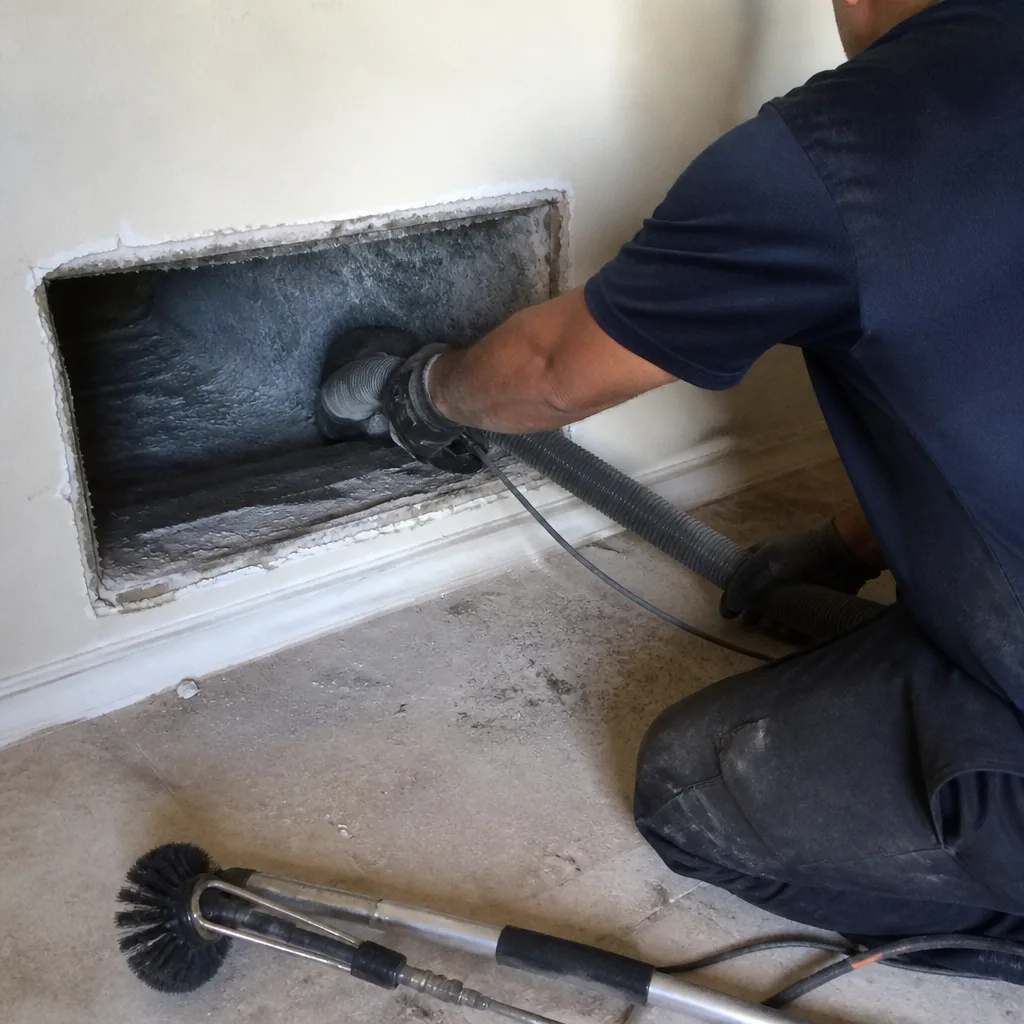 Before
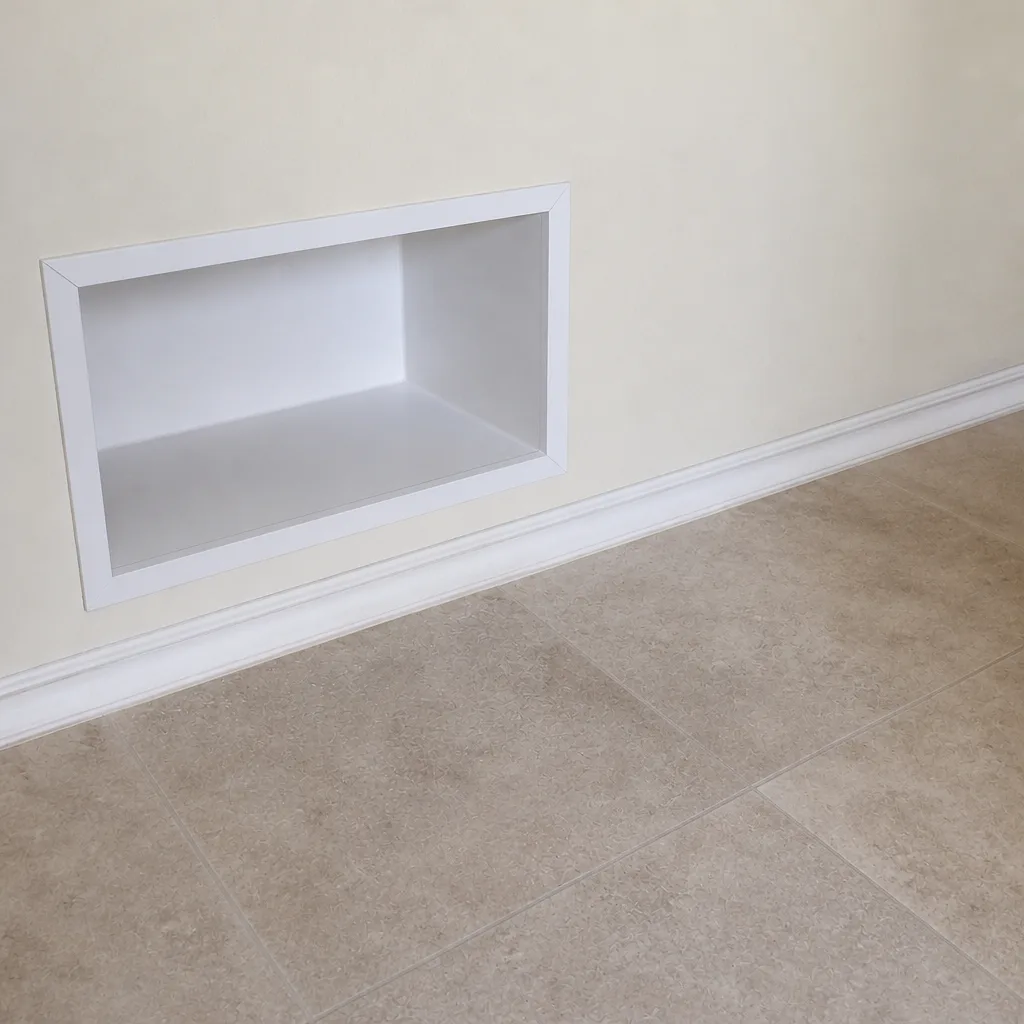 After
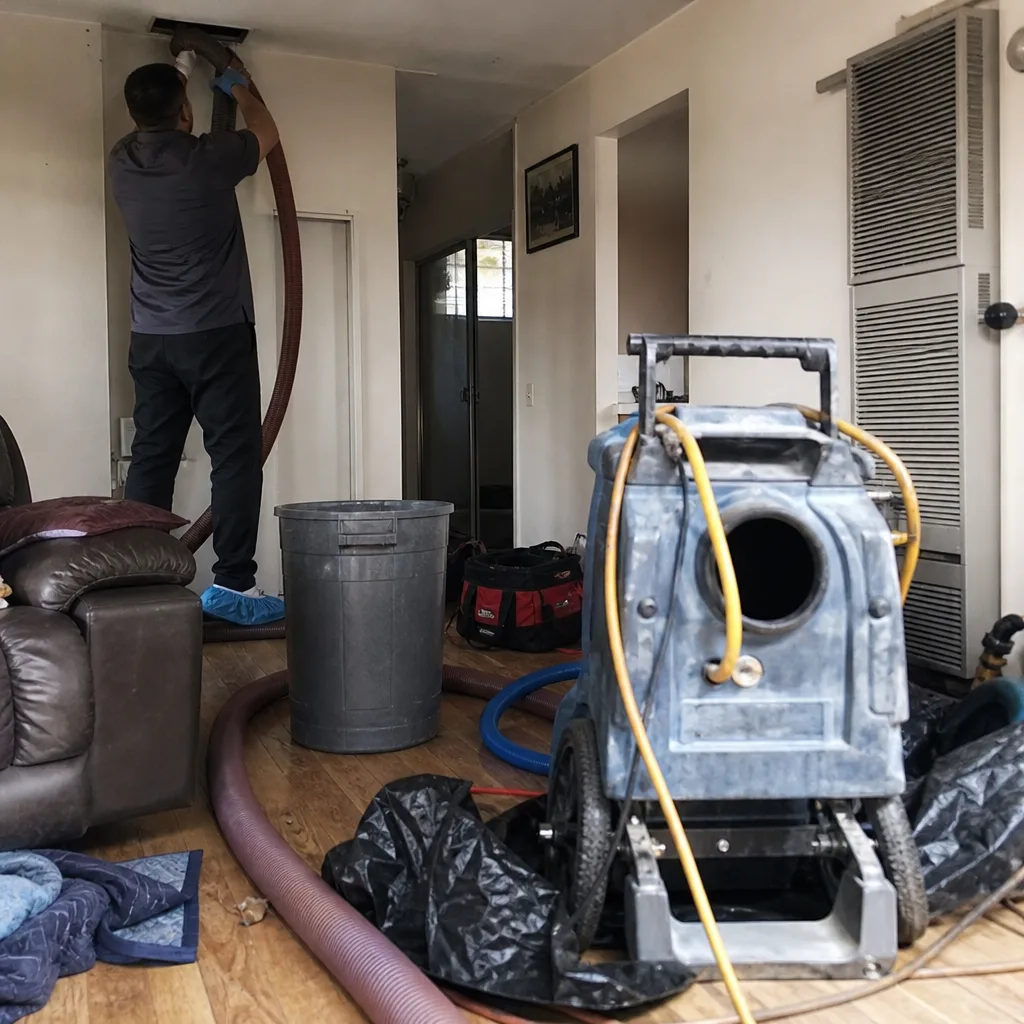 Before
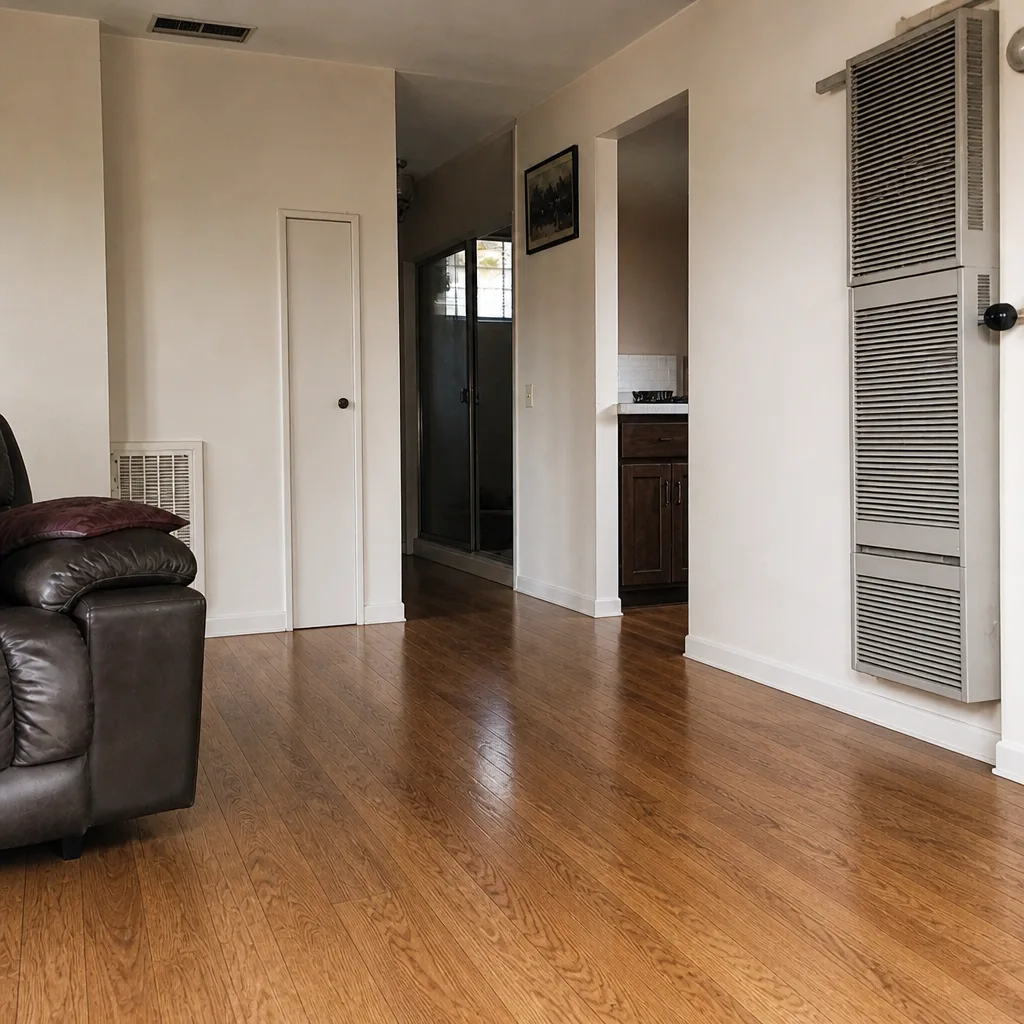 After
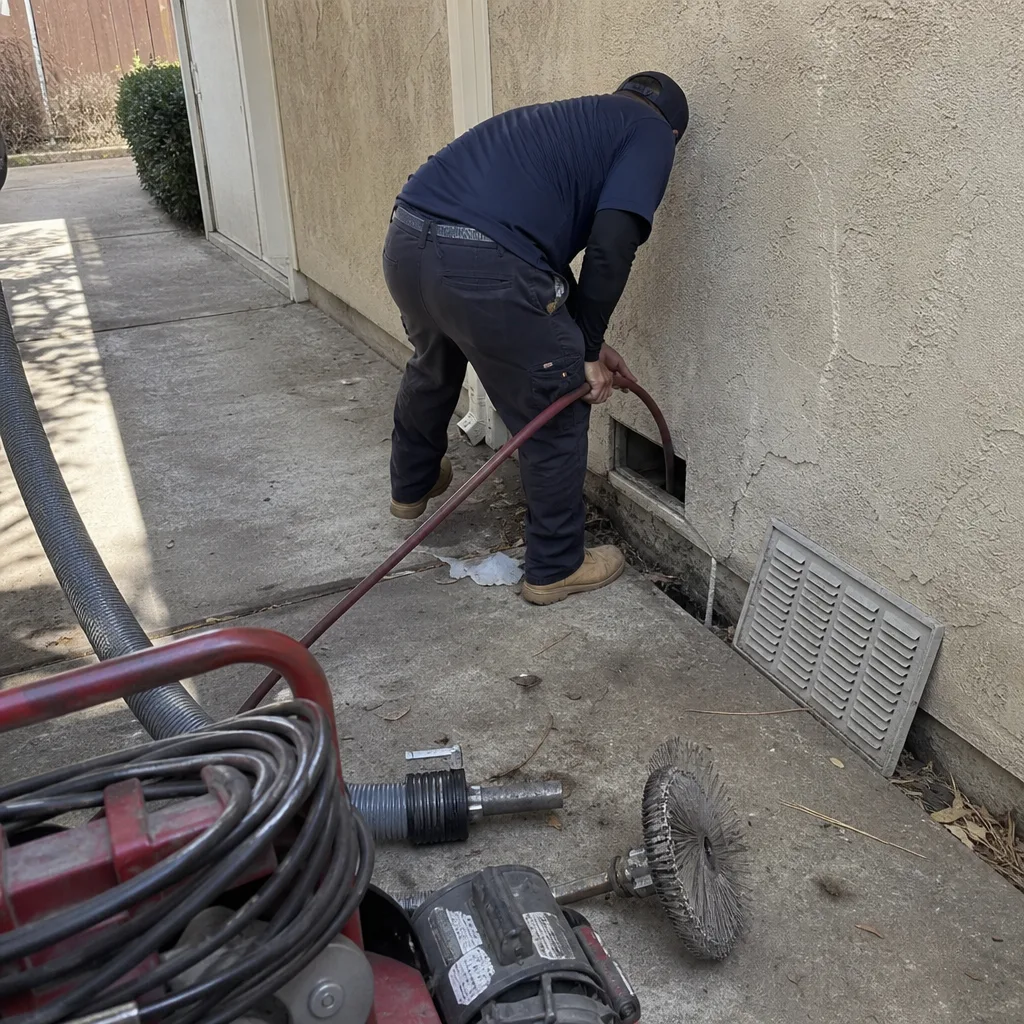 Before
 After
When to Call a Professional
Call a professional if you’ve recently moved into a home and don’t know the duct history, if you’re seeing visible dust on registers or dust puffs when the system starts, if someone in the household has dust allergies or asthma that seems worse indoors, or if your system’s airflow has dropped noticeably across several rooms. Dryer vent cleaning is worth booking on its own if you can’t remember the last time it was done. Duct repair and sealing becomes the priority if you can hear a whistle at a joint or a room never gets the airflow it should.
Woodbridge Air Duct Cleaning offers free estimates in Woodbridge. Call (855) 658-4123 to book one. We answer 24/7, and fast dispatch runs from 7am to 7pm, Sunday through Friday. The written estimate sets the final price; there are no per-vent surprises once we’re on site. Our technicians have up to 9 years of experience, and they work with the contractor-grade equipment (Rotobrush, Nikro, and Abatement Technologies) you’d expect from a full-system operator.
Frequently Asked Questions
Air duct cleaning in Woodbridge typically falls in a broad range depending on the size of the home, the number of supply and return runs, and whether sanitization or repair work is included. We give a flat, per-system price in a written estimate before work starts, so the number you agree to is the number you pay. Call (855) 658-4123 and we’ll book a free estimate.
Low quotes come from operators who either use consumer-grade equipment, plan to sell you add-ons mid-job, or price per vent so the total grows with each register they count. A low quote isn’t necessarily dishonest, but it should come with named equipment, a written scope, and a total that won’t change. Ask every operator the same questions and see who answers them.
You should have before-and-after photos or video of your own ducts, a completed camera inspection, visibly cleaner register covers, and even airflow at each vent. If the crew can’t show you the “after” footage, ask why before you pay. We provide documentation of the work on every job; call (855) 658-4123 for a free estimate.
Most homes benefit from cleaning every few years, and homes with pets, allergy or asthma sufferers, or heavy dust loads may need it more often. A camera inspection is the honest way to know; if the ducts are still clean, the operator should tell you so. Call (855) 658-4123 to book an assessment.
Cleaning alone typically doesn’t require a permit. Duct repair or replacement that alters the duct system may fall under local permit rules, so ask the City of Woodbridge or your county building department what applies to your specific job. For sealing and minor repair, we can walk you through the scope before you commit; call (855) 658-4123 for a free estimate.
NADCA membership means the company has agreed to work within the association’s ACR standard and has access to its certification programs, but it doesn’t audit individual jobs. You can verify membership directly on the NADCA website. Ask any contractor for the company name as listed, and check it yourself rather than taking it on faith.
The Bottom Line
Hiring a duct cleaning contractor in Woodbridge is a screening job, and the industry’s lack of state certification means the screening is yours to do. Ask for named equipment. Ask for camera inspection. Ask for a written scope with a flat, per-system price. Insist on containment and HEPA filtration. Verify the work after the truck leaves. A full-system operator who does all five is worth more than the cheapest quote in town. If you’d like to see how we approach it in Woodbridge, our team is one call away and the estimate is free.
Call (855) 658-4123 for a free estimate. We answer 24/7. Fast dispatch from 7am to 7pm, Sunday through Friday.
Written by the team at Woodbridge Air Duct Cleaning.