
Last updated November 24, 2026
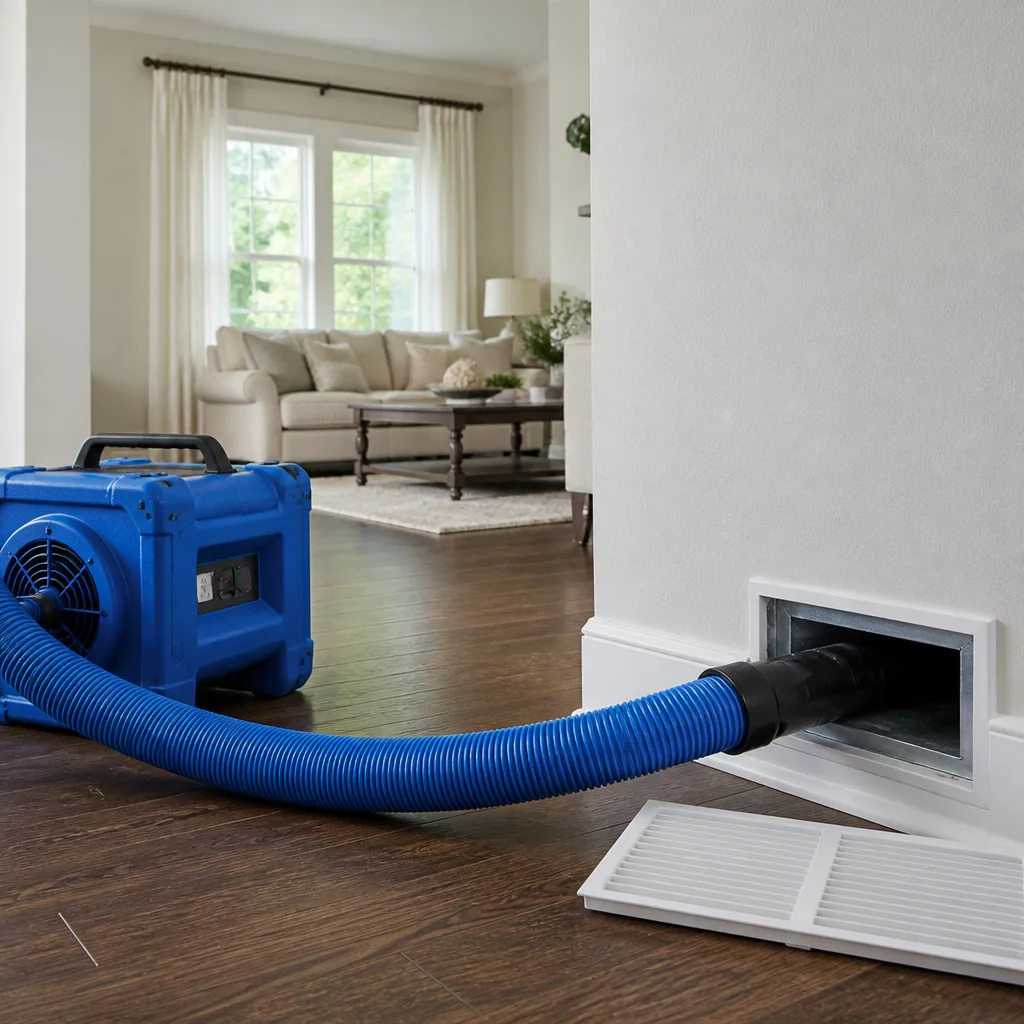 Whole-home duct cleaning
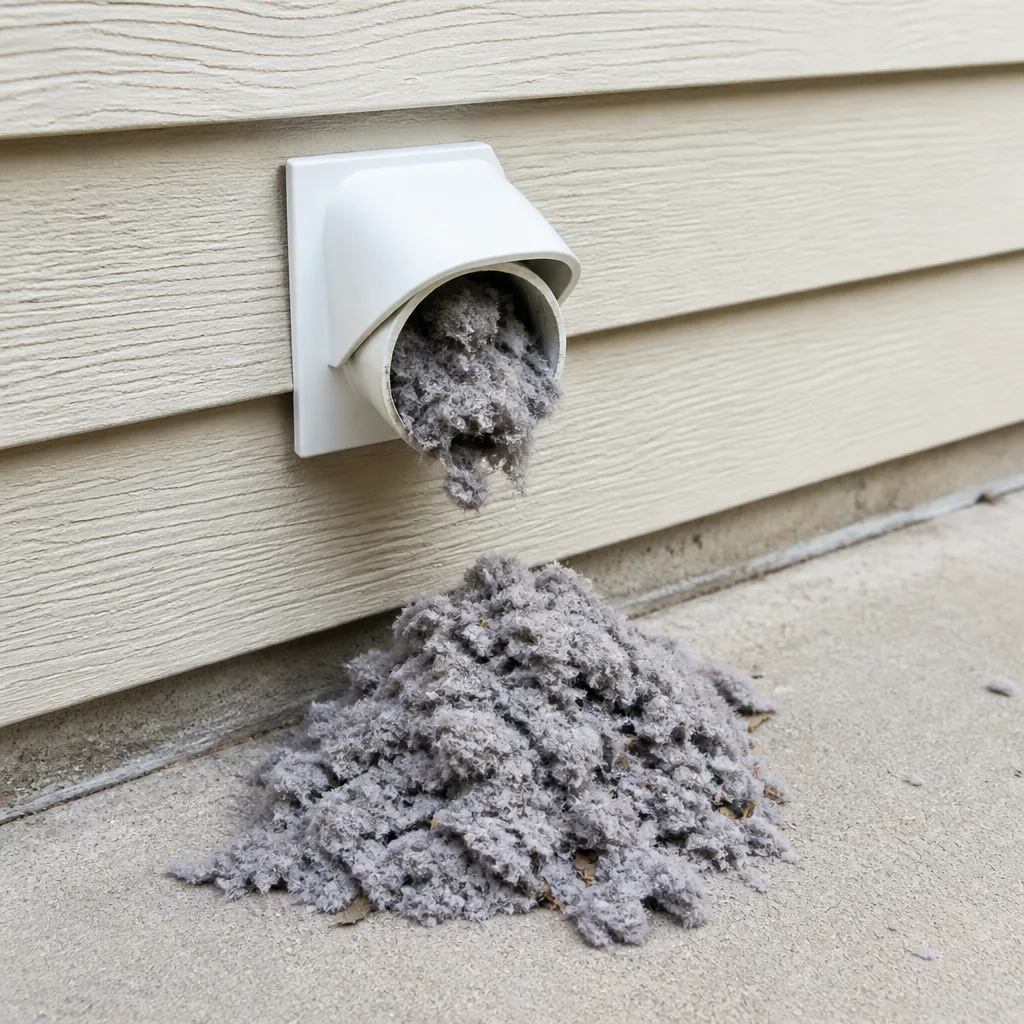 Dryer vent cleaning
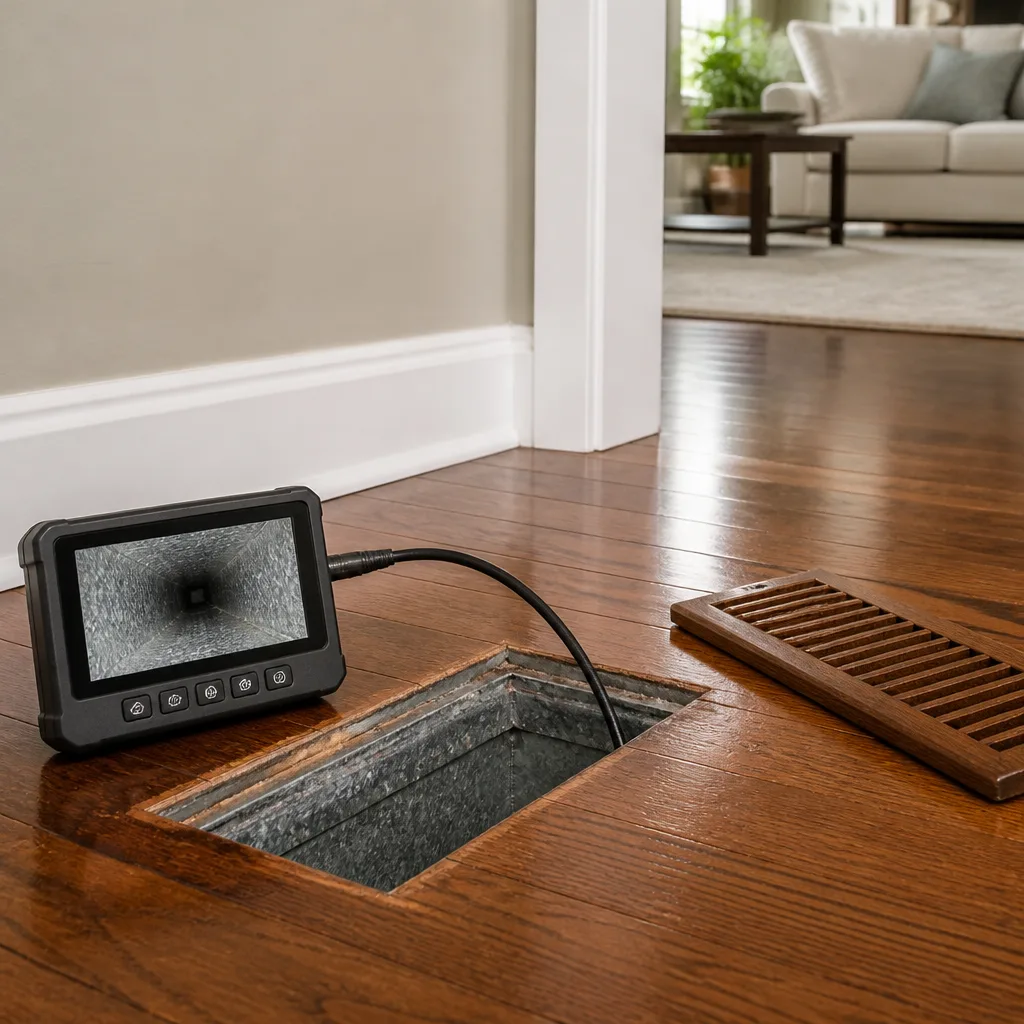 Camera inspection
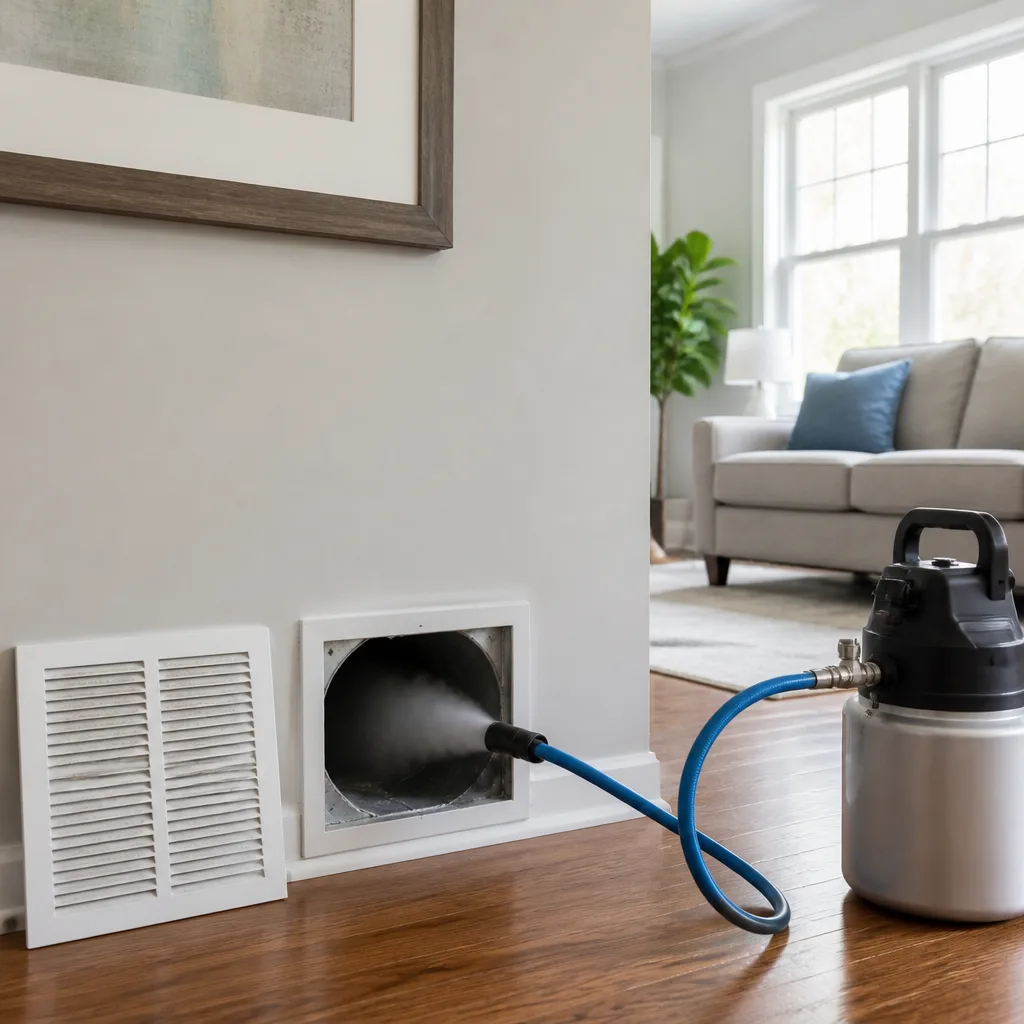 Sanitizing & deodorizing
Whole-system duct and dryer vent check with before-and-after photos - you see exactly what came out of your vents
That "$99 whole-house special" is a bait ad - the real number appears once they are in your hallway, or the "clean" is a shop-vac at the register. We photograph the inside of your ducts before and after instead.
Air Duct Cleaning Permits, Codes & Inspections in Woodbridge, CA: What You Need to Know
Here’s the part most homeowners get backwards: cleaning your ducts almost never needs a permit, but the moment a technician cuts into a duct run, patches a collapsed section, or hangs new flex duct, you may be looking at permitted mechanical work. A contractor who seals a torn trunk line or reroutes a branch during a cleaning job without pulling that permit isn’t saving you hassle. They’re leaving unpermitted work sealed inside a concealed space, and that paper trail follows the house, not the contractor. This guide walks through California Mechanical Code Section 605, how San Joaquin County building oversight actually works in Woodbridge, how duct sealing is classified, how to verify a permit yourself, and where your insurance stands if unpermitted duct work sits behind your drywall.
Quick Answer
In Woodbridge, routine air duct cleaning does not require a building permit, but duct repair, duct replacement, and system alterations generally do fall under California Mechanical Code Section 605 and need a mechanical permit from San Joaquin County. Duct sealing with mastic is usually treated as maintenance, while aerosol sealing and any change to duct layout or sizing can trigger permitting. If you’re unsure which category your job falls into, ask the contractor to confirm the classification in writing before work starts.
Styles & brands we work with
- Whole-home duct cleaning
- Dryer vent cleaning
- Camera inspection
- Sanitizing & deodorizing
Table of Contents
- The Core Distinction: Cleaning vs. Repair Under California Code
- California Mechanical Code Section 605 Explained
- San Joaquin County vs. City Oversight in Woodbridge
- How Duct Sealing Is Classified Under Title 24
- What Unpermitted Duct Work Does to Your Insurance Claim
- How to Verify a Contractor Pulled a Permit
- What a Mechanical Inspection Actually Looks At
- HVAC Cleaning and the Inspection Boundary
The Core Distinction: Cleaning vs. Repair Under California Code
The line homeowners care about most is the one between cleaning and repair. Cleaning removes debris from a system that already exists. Repair changes the physical duct system. California treats those as fundamentally different activities, and only one of them pulls a permit.
When a crew runs negative-pressure extraction through your supply and return ducts using contractor-grade equipment, the ductwork itself stays as it was built. No permit applies. That’s the bulk of what our technicians do in Woodbridge homes, and it’s straightforward maintenance.
The picture changes the moment the physical system changes. Consider these three categories:
- Cleaning: debris removal from existing ducts, registers, grilles, and air handler components. No permit.
- Repair: mending a torn or disconnected duct, resealing joints with mastic, or reconnecting a boot to a register. Generally no permit when the duct keeps its existing size, route, and material.
- Alteration or replacement: installing new flex duct, resizing a run, rerouting a branch to serve a new room, or replacing a major duct section. These changes alter the mechanical system and typically require a mechanical permit.
The practical takeaway: if a technician tells you “part of your ducting is collapsed and we need to replace it,” that’s no longer just cleaning. Ask whether the replacement requires a permit before you approve the work. In our experience, most homeowners never think to ask, and most crews never think to mention it.
California Mechanical Code Section 605 Explained
Section 605 of the California Mechanical Code is where ductwork regulation lives. Here’s how the code’s three central terms break down in plain language, because the distinction genuinely matters when you’re deciding whether to hire a shop vac crew or a real system specialist.
- Repair. Restoring a component to its original functioning without changing its capacity, layout, or material. Reattaching a disconnected duct run is repair.
- Replacement. Removing a duct section or component and installing a new one in its place. A swap of like-for-like ducting counts as replacement, and replacement usually triggers a mechanical permit.
- Alteration. Modifying the system’s design, layout, or performance characteristics. Adding a return, resizing a supply run, or rerouting a trunk line are alterations, and alterations are the strongest permitting trigger of the three.
There’s a second valuable layer in Section 605 that fewer homeowners know about: sealing requirements. The code expects duct systems to be substantially airtight at joints and connections, and it lists approved sealing methods. Mastic and approved tape meet that standard when applied correctly. A crew that leaves a joint unsealed after a “repair” hasn’t actually finished the job.
We mention this because duct repair and sealing isn’t an add-on we invented to sell more work. It’s the code acknowledging what your system already needs. Proper repair and sealing is one of our five core services, and it’s where a fair share of improperly done cleanup work comes back to bite homeowners.
San Joaquin County vs. City Oversight in Woodbridge
Woodbridge sits in San Joaquin County, and the county is the authority that handles most building and mechanical permitting here. If you’re a Woodbridge homeowner wondering who signs off on duct alterations, in most cases the answer runs through San Joaquin County’s building department rather than a separate municipal office.
What most people don’t realize is that the county isn’t inspecting your ducts for cleanliness. The mechanical inspector looks at structural integrity, code compliance, and safe installation, not accumulated debris. That’s a critical distinction. A duct system can pass inspection and still be full of dust, dander, and construction residue. The worker who cleans it and the inspector who checks it are answering two different questions.
Practically, here’s how a Woodbridge homeowner should think about jurisdiction:
- Cleaning the existing system: no county or city involvement at all.
- Repairing or resealing joints: typically no permit; ask the contractor to confirm.
- Replacing or altering ductwork: plan on a mechanical permit through San Joaquin County.
- New installation or extension: permit required; the contractor pulls it, not you.
If you’re ever unsure whether your job needs permitting, one call to the county building department settles it faster than debating it with a contractor who’d rather not pull paperwork. A reputable contractor will welcome that call. One who pushes back is telling you something.
How Duct Sealing Is Classified Under Title 24
Duct sealing has a genuinely confusing classification picture under Title 24, and it’s the gray area most homeowners never hear about. The short version: sealing methods are treated differently depending on how the work is done.
Mastic and approved tape sealing is generally understood as maintenance when it restores a system’s intended performance without adding components or altering the layout. No permit is typically needed. It’s the standard method our technicians use, and it addresses the joints where most leakage actually happens.
Aerosol-based sealing is a different animal. It’s a duct-sealing method where an aerosol sealant is introduced into the duct system and deposits at leaks. Because it’s a distinct technology applied to the whole system, and because Title 24 cares about duct leakage performance in many retrofit contexts, some jurisdictions treat aerosol sealing more conservatively. In our experience, the safer approach is to treat aerosol sealing as permit-worthy until the county tells you otherwise. If a contractor proposes aerosol sealing, ask for the permit status before you agree.
The other Title 24 layer involves efficiency compliance. Duct sealing is sometimes part of an energy retrofit that touches Title 24 compliance documentation. That’s separate from the mechanical permit but intersects with it, because a change to duct performance can come with documentation requirements. Woodbridge homes don’t have to guess at this; a contractor who knows the local picture will tell you which category the job falls into.
What Unpermitted Duct Work Does to Your Insurance Claim
This is the risk most homeowners overlook until it’s too late: unpermitted duct modifications can affect your homeowner’s insurance claim if water or fire damage involves the altered ductwork. Insurance carriers care about whether work was done to code, and unpermitted work can complicate a claim in words that a policyholder never wants to hear: “we’ll need to review the permit history.”
The scenario is more common than it sounds. A home suffers water damage from a roof or plumbing leak. The insurance adjuster inspects, and the duct system has been rerouted or sealed by a contractor who never pulled a permit. Suddenly the scope of the claim is being questioned, and the homeowner is left trying to prove that a modification they paid for was ever legitimately done.
Fire damage tells a similar story. Duct systems run through combustible framing, and changes to duct material or routing without a permit become an adjuster’s question mark. We hear about these situations from Woodbridge homeowners often enough that it’s worth stating plainly: a permit isn’t bureaucracy. It’s documentation that follows the house, and that documentation can protect your claim.
The takeaway is straightforward. For any duct work beyond routine cleaning, ask for the permit. Keep the paperwork with your home’s records. The cost of a permit is modest next to the cost of a contested insurance claim.
How to Verify a Contractor Pulled a Permit
Verification is a step most homeowners skip because it sounds harder than it is. It’s not. The county keeps permit records as a matter of public record, and confirming whether your contractor pulled one takes minutes.
- Get the permit number in writing. Ask the contractor for the mechanical permit number and the address it applies to before work begins. A legitimate contractor will have it.
- Confirm the address and scope match. When you look up the permit, check that the scope describes your project and your address. A permit for a different address is worthless.
- Look up the record through the county. San Joaquin County maintains a permit lookup through its building department. A public-records request or the county’s online portal will show whether the permit exists and what it covers.
- Cross-check the contractor’s name. The permit should list the contractor doing the work. If a subcontractor or different company is listed, ask why.
- Confirm final inspection status. After the work is done, the permit should show a completed inspection. An open permit is a flag for a future buyer.
None of this requires technical knowledge. It requires asking, and following up. If a contractor gets defensive when you ask for a permit number, that’s information worth having before the sawdust settles.
What a Mechanical Inspection Actually Looks At
A mechanical inspection is a code-compliance check, and understanding what’s inspected helps Woodbridge homeowners know what to expect. The inspector is not assessing how much dust is in your ducts. They’re checking that the system as built is safe and code-compliant.
What typically draws scrutiny during a mechanical inspection of duct work:
- Duct material and rating: flex duct, rigid duct, and connectors must match their approved applications.
- Support and strapping: ducts must be properly supported per code so they don’t sag or collapse into the space above your ceiling.
- Joints and sealing: connections should be sealed according to the approved methods (mastic, approved tape).
- Clearance from combustible material: duct runs need proper clearance from framing, water heaters, and other heat sources.
- Termination points: where ducts connect to registers and boots, and where return systems connect to the air handler.
Where cleaning fits into this picture: cleaning is a separate activity, none of the above, and harmless to have done before or after an inspection. If anything, a system that’s been cleaned, repaired, and sealed is in a better state to pass. That’s the fuller scope of what a full-system approach covers, which is why proper air duct cleaning paired with repair and sealing matters more than cleaning alone.
HVAC Cleaning and the Inspection Boundary
HVAC cleaning touches ductwork the way cleaning touches your house’s respiratory system, and it sits squarely on the non-permit side of the line. Cleaning the air handler, blower, evaporator coil, and connected duct components is maintenance on an existing system. No mechanical permit is needed for cleaning, and there’s no code section requiring a permit to remove buildup from a component that stays in place.
The boundary shows up when cleaning reveals a problem the cleaning can’t fix. A technician cleaning an HVAC system might find disconnected ductwork behind the air handler, condensate damage, or a collapsed return. At that point the job crosses from cleaning into repair or replacement, and the permitting question reappears.
This is where doing the whole pathway under one company matters. When HVAC cleaning uncovers duct repair needs, the same visit doesn’t end in a handoff to a different contractor for a different job. The duct work gets flagged, scoped, and if it requires a permit, that gets pulled. One connected system, one point of contact, one permit trail if one is needed. Our full-system approach is built around exactly that overlap.
The safety side is worth noting too. Anything involving electrical components of the air handler or any gas-fired component of the heating system is not a homeowner task. That work belongs to a trained technician, full stop.
Common Mistakes to Avoid
- Assuming cleaning and repair are the same permitting question. A cleaning job never needs a permit; a duct alteration usually does. Treating them as one activity leads to skipped permits.
- Not asking for the permit number before work starts. Once the crew is on site, the incentive to pull paperwork drops. Get the number in writing first.
- Letting a contractor “handle it later.” Unpermitted work that never gets permitted doesn’t resolve itself. It sits in your house and in your hold-open inspection status.
- Ignoring the insurance implication. If a claim later involves duct modifications, the permit history gets examined. Unpermitted work complicates the whole claim.
- Treating a cheap quote as a service value. In Woodbridge, a low-price cleaning that involves cutting ductwork without a permit is the most expensive outcome there is.
- Confusing inspection with cleanliness. A passed mechanical inspection says nothing about how much debris is in your ducts. Those are two separate jobs.
- Skipping the public record lookup. San Joaquin County’s permit records are available to look up. Not checking is a choice, not a limitation.
See the difference
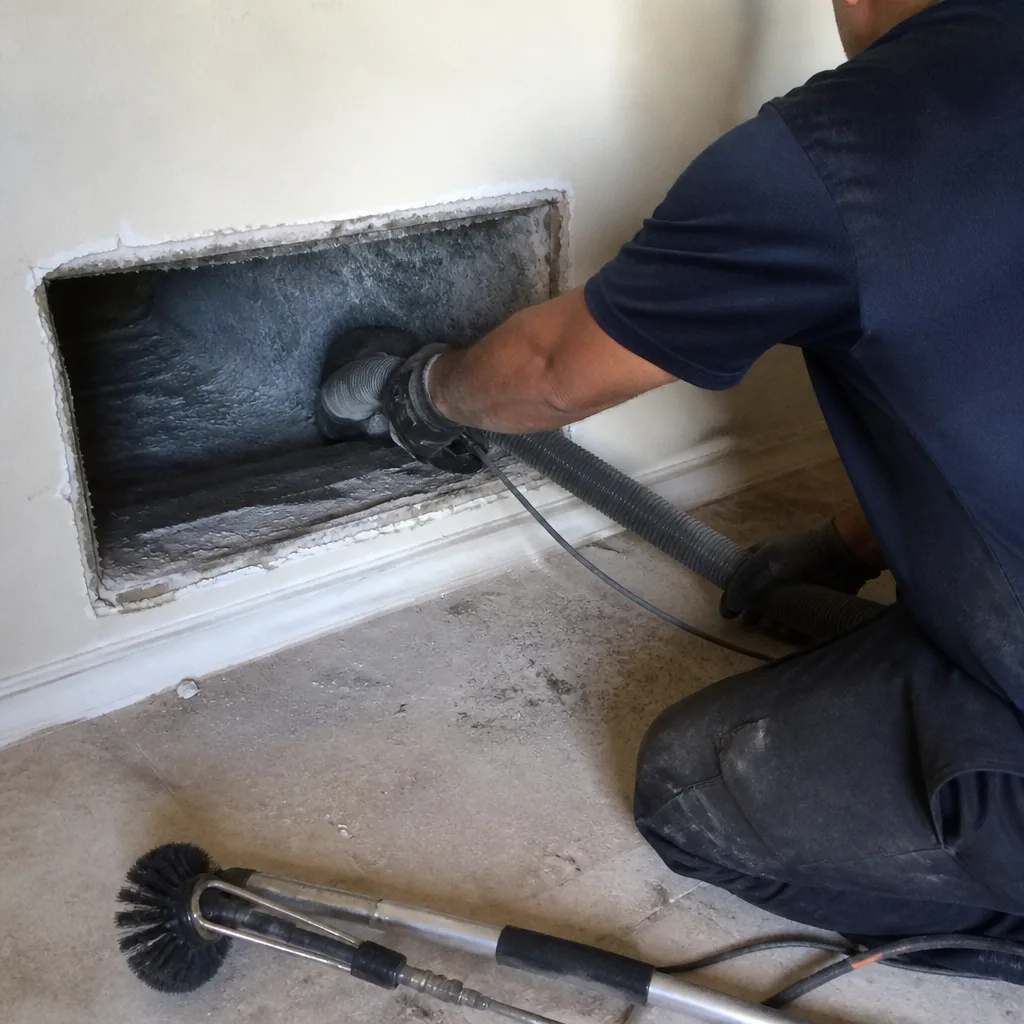 Before
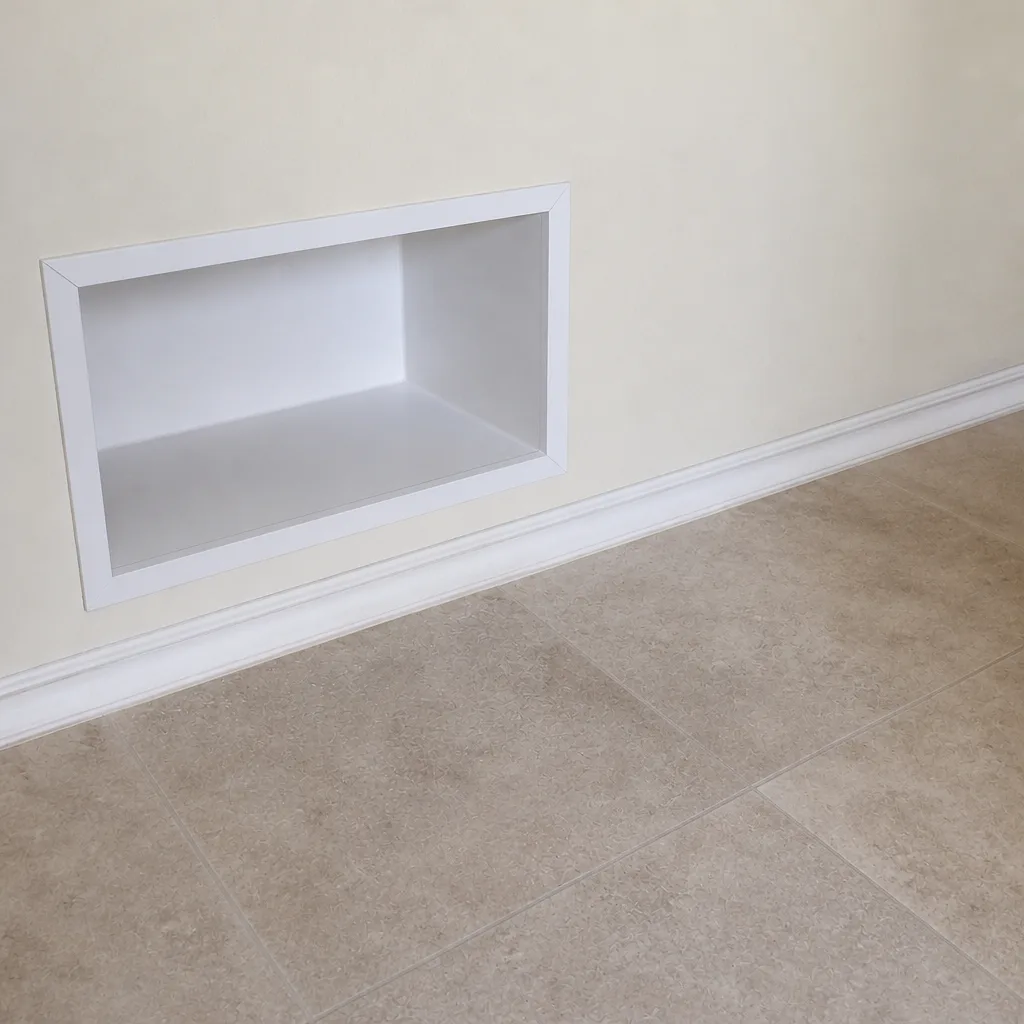 After
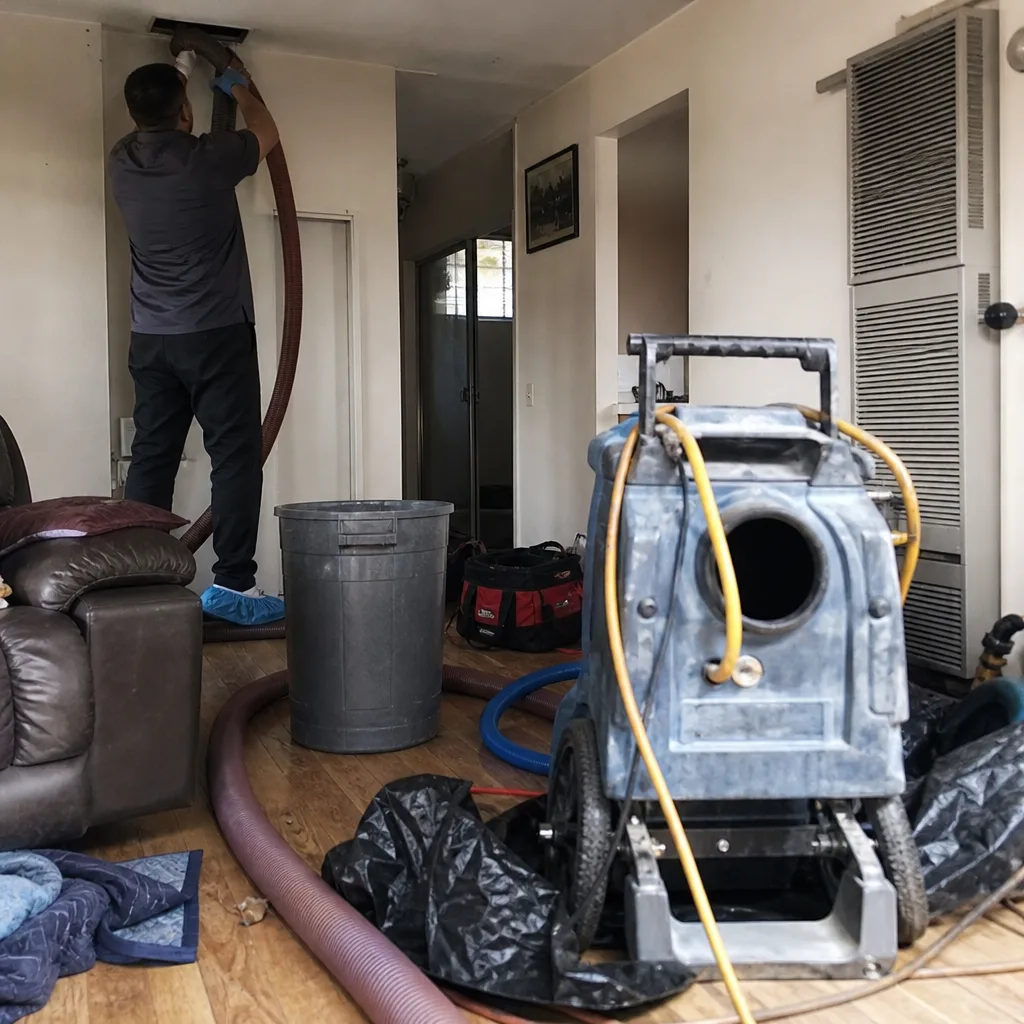 Before
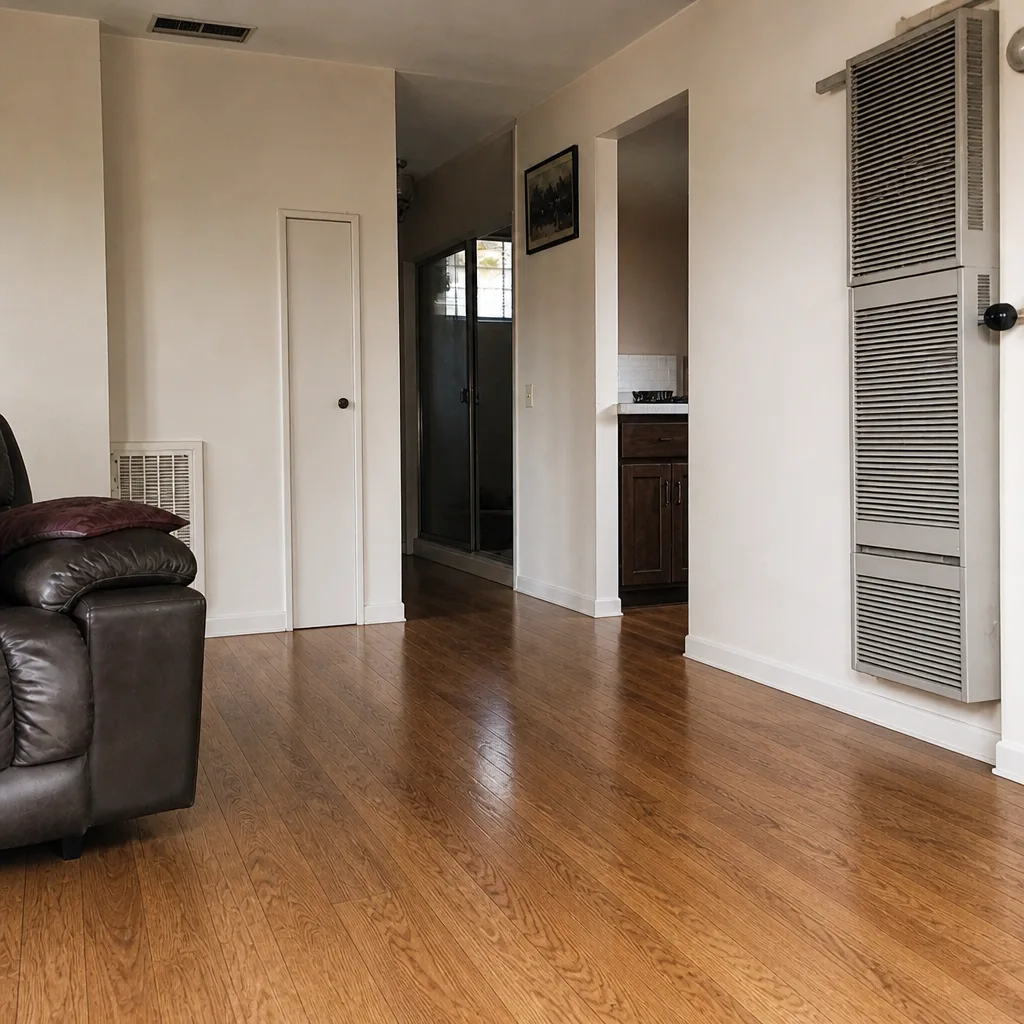 After
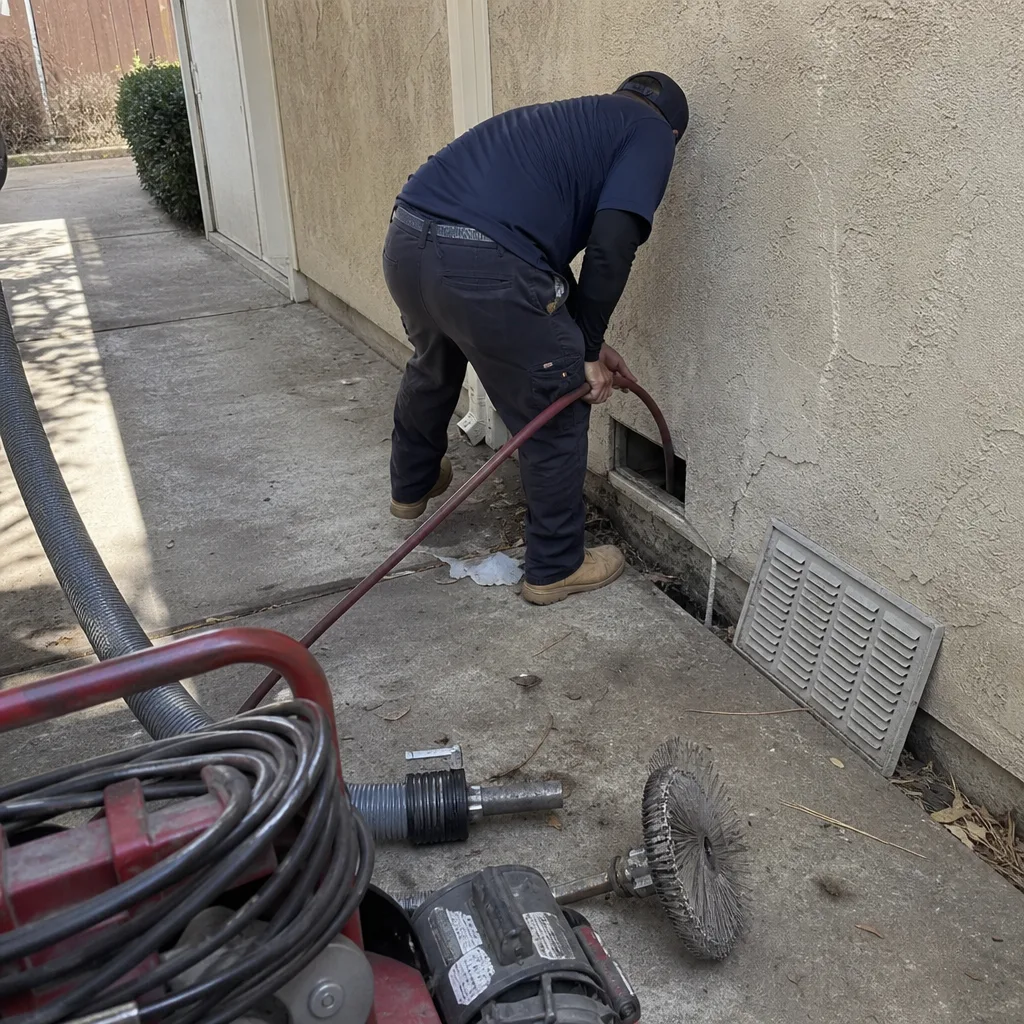 Before
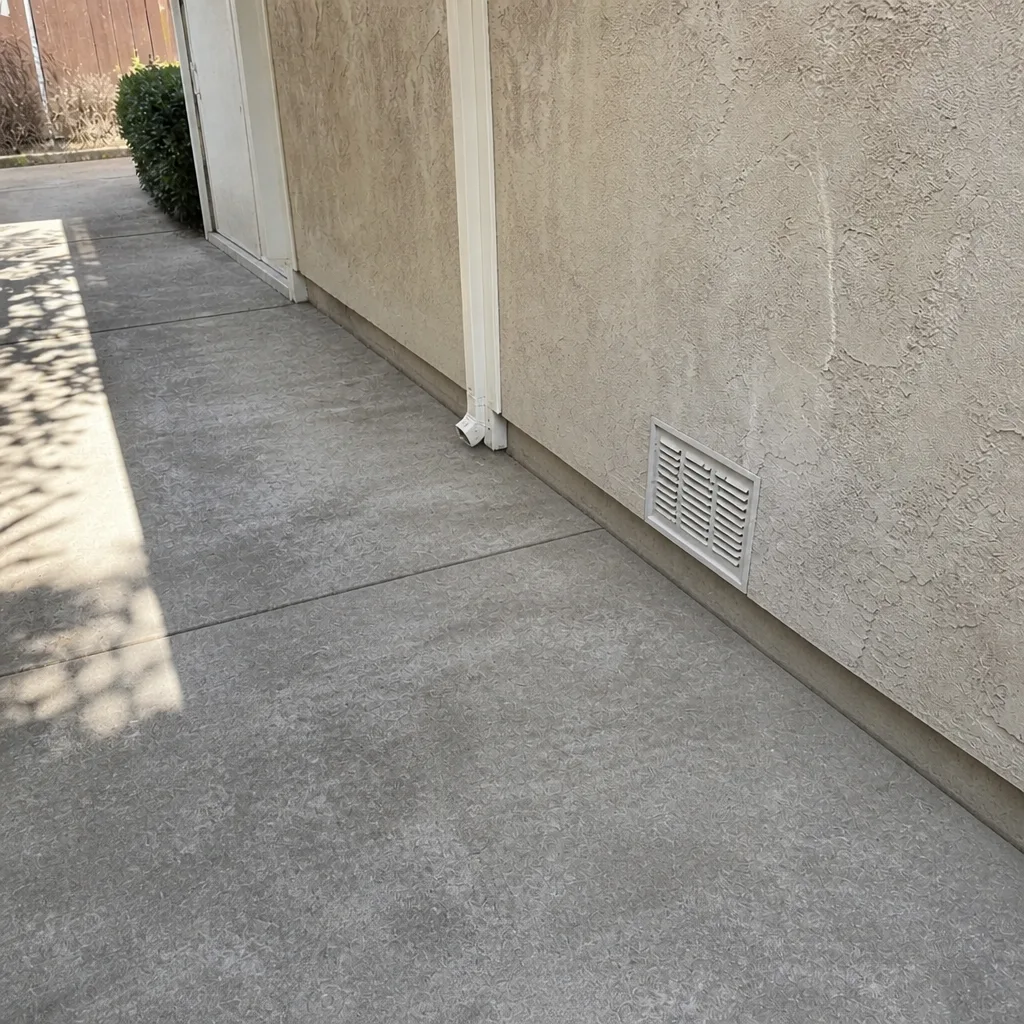 After
When to Call a Professional
Call a professional when the job involves anything more than surface cleaning. If you’re seeing visibly disconnected ductwork in the attic or crawlspace, hearing whistling at registers that wasn’t there before, or noticing rooms that never seem to get airflow like the rest, that’s repair territory and worth a professional assessment. If a cleaning crew tells you the system needs “part replacement” mid-job, pause and ask about the permit classification before agreeing. And if you’re buying a Woodbridge home with an unknown duct history, a professional inspection of the system is the smart first step, before you discover problems after closing.
Woodbridge Air Duct Cleaning offers free estimates in Woodbridge. Call (855) 658-4123. We answer 24/7. Fast dispatch from 7am to 7pm, Sunday through Friday.
Frequently Asked Questions
No. Routine air duct cleaning does not require a permit in Woodbridge. Cleaning removes debris from a system that already exists, and no change to the duct system’s physical structure occurs. If the job expands into repair, replacement, or system alteration, the permitting picture can change. Call (855) 658-4123 for an exact quote. Estimates are free.
Duct repair generally needs a mechanical permit when it involves replacing duct sections or altering the system’s layout, sizing, or design. Like-for-like repairs and resealing joints typically don’t require one; replacements and alterations do. Section 605 of the California Mechanical Code is where those distinctions live. If you’re unsure which category your job is in, ask the contractor to confirm in writing before work begins.
Ask for the permit number in writing before work starts, then look it up through San Joaquin County’s public permit records. Confirm the address and project scope match, and that the contractor listed is the one doing the work. After the job, confirm the permit shows a completed inspection. A contractor who resists providing a permit number is telling you something worth hearing.
Yes, it can. If a future claim involves water or fire damage touching the modified ductwork, unpermitted modifications can complicate the adjuster’s review and put part of the claim at risk. Insurance carriers care about code compliance, and permits are the public record of that compliance. Keeping permit paperwork with your home records is the simplest protection.
Yes. Mastic sealing and approved tape are generally treated as maintenance and don’t typically require a permit. Aerosol duct sealing is a whole-system application and is often assessed more conservatively; in our experience, treat it as permit-worthy until the county tells you otherwise. If a contractor proposes aerosol sealing, confirm the permitting status in writing before agreeing.
No. A mechanical inspection checks code compliance, structural integrity, and safety. It does not check for dust, dander, or construction debris in the ducts. The two are completely different evaluations, and a system can pass inspection while still carrying years of buildup. Pairing repair and sealing with proper cleaning is how the full air pathway gets handled together.
The Bottom Line
Air duct cleaning in Woodbridge doesn’t need a permit, and duct repair, replacement, or alteration often does. That’s the line. If a crew is only extracting debris from an existing system, no paperwork is involved. If the system itself changes, a mechanical permit through San Joaquin County is the safe default. Keep in mind that mastic sealing versus aerosol sealing can change the answer, that unpermitted duct work can trail you into an insurance claim, and that the county permit records are public and worth checking. If you want a straight answer on where your job falls, get it in writing before anything is cut.
For duct cleaning, repair, sealing, or full-system assessment in Woodbridge, call (855) 658-4123 for a free estimate. We answer 24/7. Fast dispatch from 7am to 7pm, Sunday through Friday. Our technicians have up to 9 years of experience, use contractor-grade equipment from Rotobrush, Nikro, and Abatement Technologies, and can work with Honeywell and Aprilaire products when a home needs more than cleaning alone.
If you’re also thinking about the rest of the system, dryer vent cleaning is worth scheduling alongside; lint buildup in a dryer vent is one of the leading causes of residential fires, and it’s a safety issue, not a maintenance upsell. And if you’d like a starting point on what the whole service looks like end to end, our Woodbridge Air Duct Cleaning overview walks through all five services.
Written by the team at Woodbridge Air Duct Cleaning.