
Last updated November 24, 2026
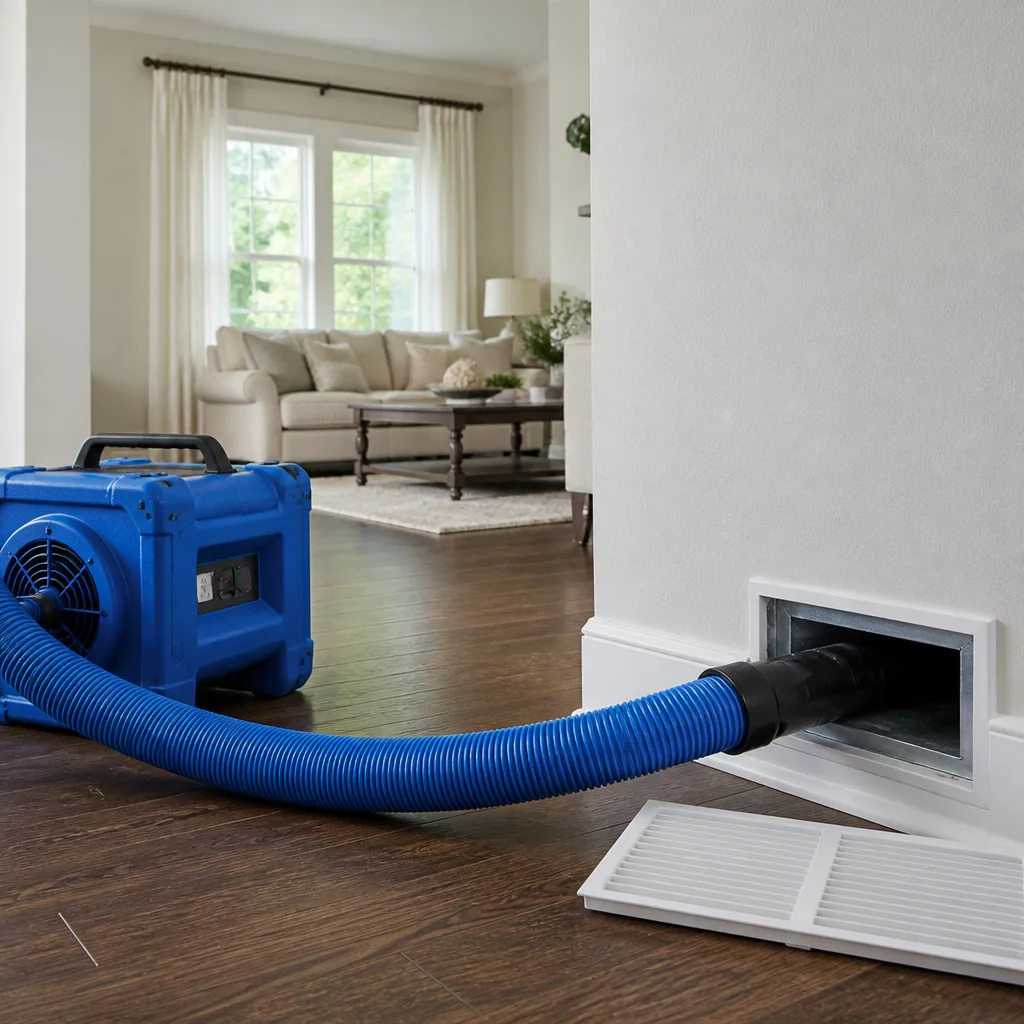 Whole-home duct cleaning
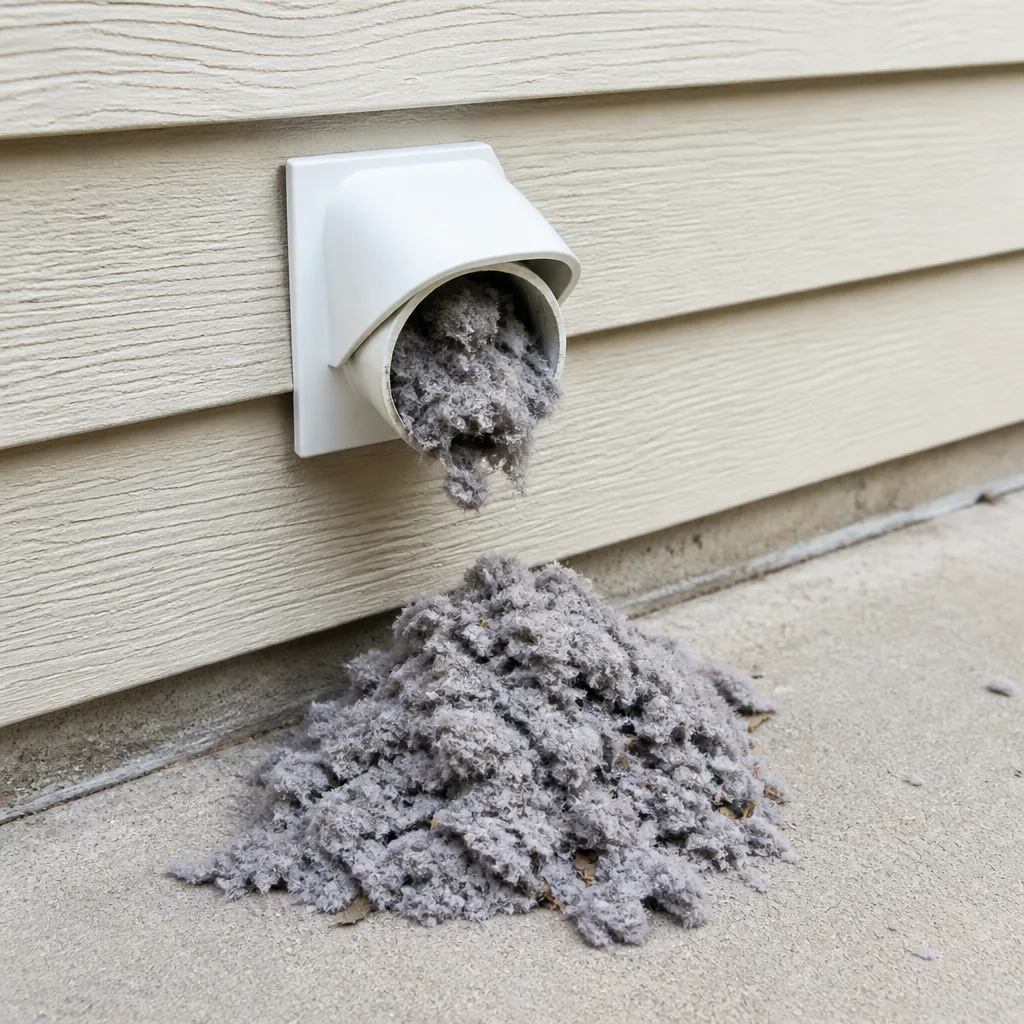 Dryer vent cleaning
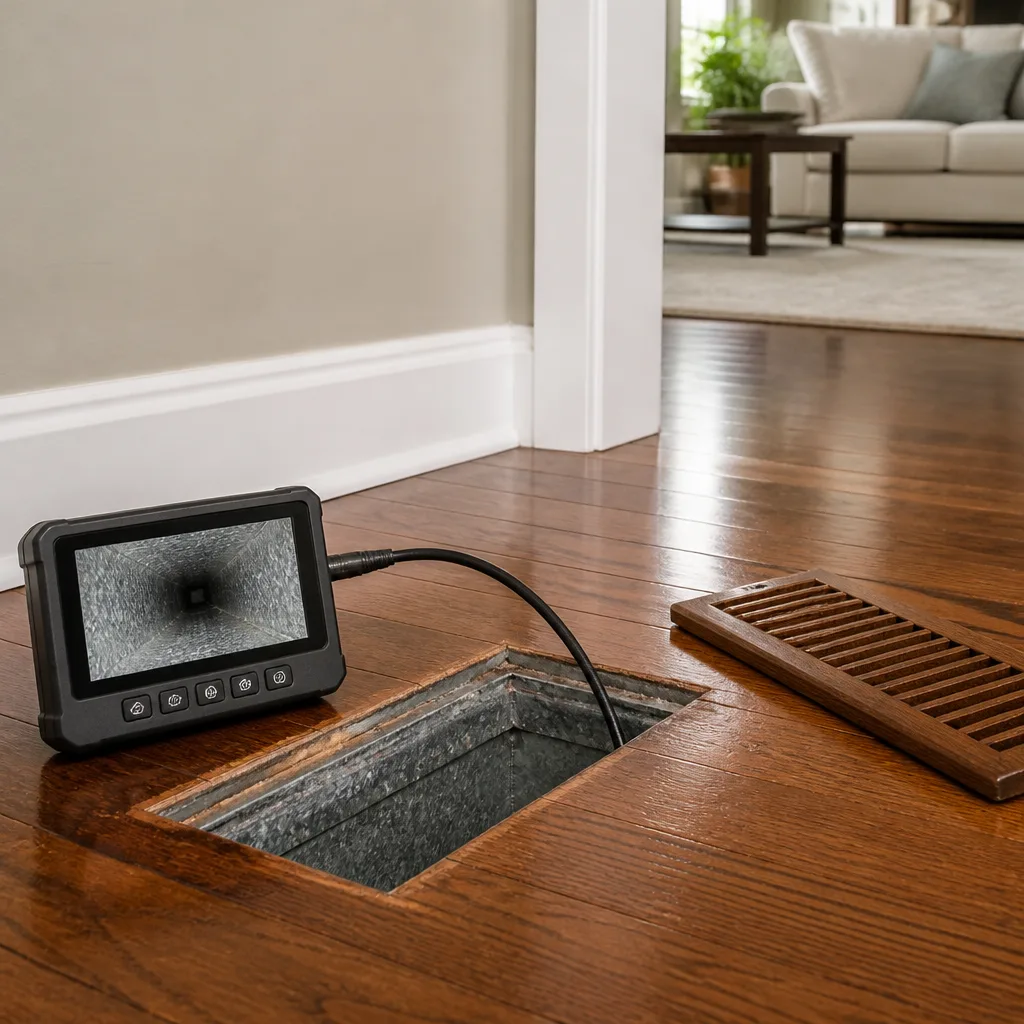 Camera inspection
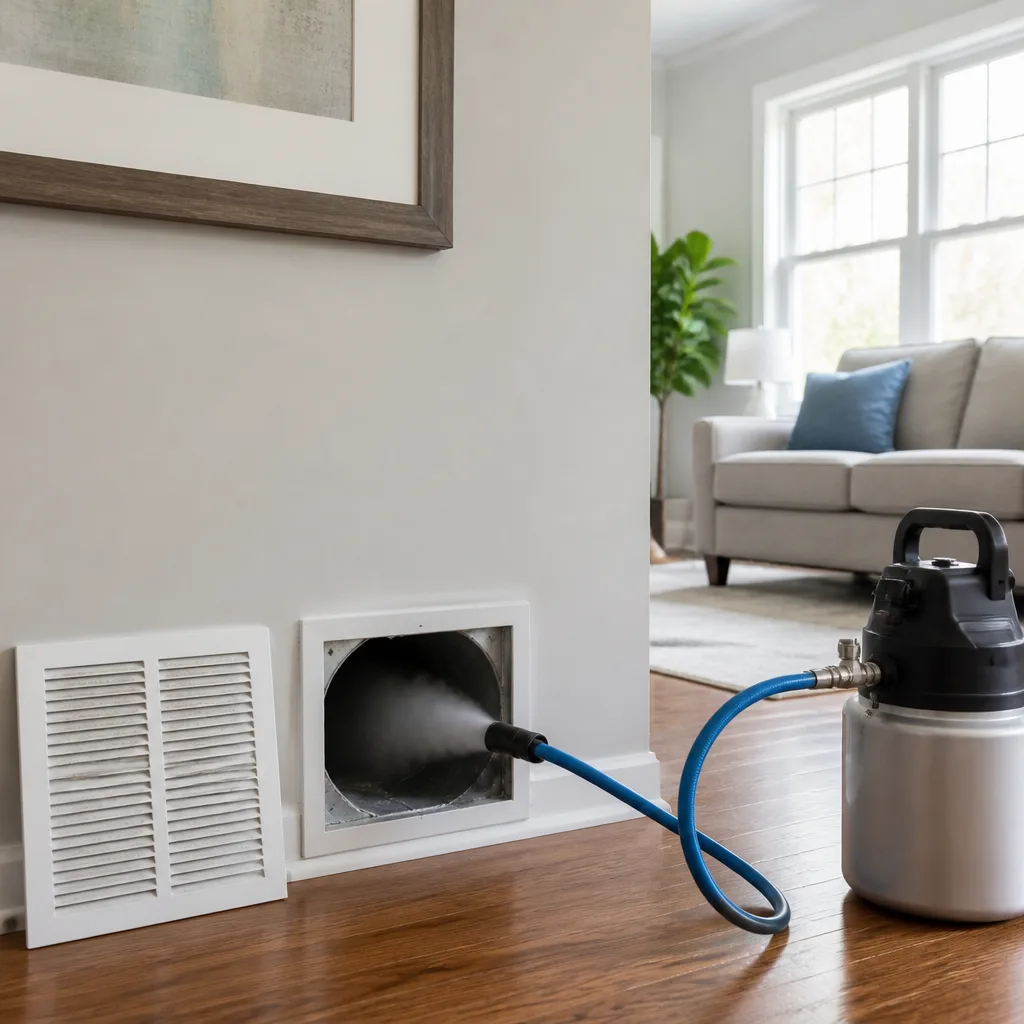 Sanitizing & deodorizing
Whole-system duct and dryer vent check with before-and-after photos - you see exactly what came out of your vents
That "$99 whole-house special" is a bait ad - the real number appears once they are in your hallway, or the "clean" is a shop-vac at the register. We photograph the inside of your ducts before and after instead.
Air Duct Cleaning Warning Signs: A Woodbridge Homeowner’s Reference Guide
Dust on your supply registers is not proof your ducts need cleaning. It can mean dirty ducts, a failed filter bypass, negative pressure pulling air from an attic, or a blower running without proper filtration. That’s the part most guides skip: the sign itself tells you very little until you know the mechanism behind it. Dust settling at a register in a Woodbridge home could come from a gap at the plenum, a filter that isn’t seated, or a return that’s pulling from a garage or crawlspace. We wrote this guide to help you read the symptom, trace it to a likely cause, and decide whether you’re looking at a duct problem, an HVAC problem, or a building envelope problem – before you pay for the wrong service.
Quick Answer
The main warning signs that ducts need attention in Woodbridge are visible debris blowing from supply registers, musty or stale odors when the system runs, uneven room temperatures, rising filter loading, and respiratory symptoms that track with HVAC cycles. But the sign matters less than what causes it. A duct cleaning solves contamination. It does not fix leakage, failed insulation, or a mechanical problem in the air handler, and mistaking one for the other wastes money.
Styles & brands we work with
- Whole-home duct cleaning
- Dryer vent cleaning
- Camera inspection
- Sanitizing & deodorizing
Table of Contents
- Visual warning signs and what they indicate mechanically
- Odor-based indicators: musty, burning, and stale
- Performance signs: uneven temperatures and filter loading
- Health-correlated patterns worth tracking
- Signs a standard cleaning won’t solve the problem
- A step-by-step diagnostic sequence for Woodbridge homes
- When to call a professional
Visual Warning Signs and What They Indicate Mechanically
What you see at the register is a symptom. The mechanism underneath it determines the fix. When we inspect a Woodbridge home, we start by mapping where the visible evidence appears, because the location of the debris tells us almost as much as the debris itself.
Dust patterns at supply registers
Streaks of dust radiating from the louvers suggest air exiting the register with debris still suspended in it, which points to contamination inside the supply trunk or branch. Heavy dust concentrated along the edges and seams of the register suggests air is leaking out around the boot rather than through it – a sealing issue, not a cleaning issue. A fine grey film settling on the register face but not the surrounding drywall suggests the dust is coming from the room itself and being drawn toward the register by slight negative pressure, which points to a return-side imbalance.
Debris in the drain pan
The condensate drain pan sits under the evaporator coil and catches moisture from cooling. When you find standing water with silt, rust flakes, or a wet paper-like film in the pan, the mechanism is usually one of three things: a coil that’s contaminated and shedding material, a drain line that’s partially clogged and letting water back up, or a pan that’s not pitched correctly so water pools rather than draining. Coil and pan contamination is one of the reasons HVAC cleaning is a separate service from duct cleaning – the air handler is its own environment and needs its own access and equipment.
Visible mold at grilles or diffusers
Mold at a grille means moisture is present in the air pathway. The moisture source is the real problem. It could be a coil that’s not draining, a bath fan venting into the attic, a return duct passing through a damp crawlspace, or condensate forming on a cold duct through an unconditioned space. Cleaning the visible growth without addressing the moisture source means it returns. Our approach is to identify and correct the source, then treat the surface, which is why our Woodbridge Air Duct Cleaning work includes a sanitizing stage only after the moisture question is answered.
A quick diagnostic sequence for visual signs
- Note where the debris appears: register, boot, seam, or surrounding wall.
- Check whether the filter is seated correctly and the correct size – a gap lets unfiltered air bypass into the plenum.
- Look for moisture anywhere near the grille or the coil pan.
- Confirm the outdoor condensate line is draining.
- Inspect accessible flex duct in the attic for disconnections or crushed runs.
Weather in Woodbridge is mild, and mild climates create a specific pattern: cooling runs long into the fall, the coil stays wet for more of the year, and any debris in the drain pan has more time to grow. That’s a reason to check the pan, not just the registers.
Odor-Based Indicators: Musty, Burning, and Stale
Smell is the most useful diagnostic signal a homeowner has, but only if you separate the three types. Each points to a different mechanism and a different urgency level.
Musty smell
A musty, wet-earth smell when the system starts typically means microbial growth or damp debris somewhere in the air pathway. Trace it: does it appear only when cooling runs, only in one room, or throughout the house? One room suggests a localized issue – a wet boot, a return passing through a damp space, or a disconnected flex run pulling attic air. Whole-house suggests the coil, the main trunk, or the evaporator pan. A musty smell is a moisture problem first and a cleaning problem second.
Burning smell
A burning or scorched smell when the heat runs is the one odor that demands immediate attention. It usually indicates debris, dust, or a failed component contacting the heat exchanger or the blower motor. Turn the system off and call a professional. Dust burning off a heating element on the first cool day of the season is common and usually clears within a short run, but a smell that persists, repeats, or is accompanied by soot is a safety concern. We treat this as urgent, never as a routine cleaning request.
Stale smell
A flat, stale, “old building” smell that never fully goes away usually comes from air recirculating through a dirty return, a filter that’s overdue, or a home that’s too tightly sealed and pulling no fresh air. It’s rarely dangerous, but it signals that the air pathway is moving the same dust and the same VOCs around the house over and over. An air duct cleaning with proper containment and HEPA filtration is the usual first step here, followed by evaluating filtration and ventilation.
What each odor tells you
- Musty: moisture in the system or the building envelope. Find the source.
- Burning: debris or a failed component on a heat source. Turn off, call now.
- Stale: recirculation through a dirty or under-filtered return. Clean and filter.
Performance Signs: Uneven Temperatures and Filter Loading
Performance problems are the ones homeowners feel before they see. Uneven room temperatures, rising utility bills, and a filter that loads faster than it used to all point to something specific if you read them together.
Uneven room temperatures
A room that’s consistently a few degrees off from the rest of the house, in a home with a system that’s otherwise keeping up, is usually a distribution problem. The two most common mechanisms are a duct that’s undersized or crushed for the load it’s serving, and a duct that’s leaking so much air it never arrives. Crushed flex duct is the more common of the two in tract-built homes, where attic runs get stepped on or kinked during construction.
Rising filter loading rate
The filter is a useful measuring stick. If you used to change the filter every three months and now it’s dark at six weeks, the system is moving more particulate than before. That faster loading can mean contamination inside the return, a filter that’s bypassing at the frame and letting debris from the plenum into the filter face, or a duct leak pulling dusty air in from the attic or crawlspace. Checking the filter face for a uniform load pattern versus a heavy load at one edge tells you which of these is more likely.
Rough thresholds that suggest leakage versus contamination
- Uniform dark filter within a month or two of install: contamination in the return or the plenum.
- Heavy localized loading at one edge or corner: filter bypass at the frame, so unfiltered air is entering around the filter.
- Filter fine but rooms still uneven: duct leakage or a crushed run – the system’s air isn’t reaching where it’s needed.
- Filter fine but bill climbs: mechanical issue or duct leakage in unconditioned space.
A duct cleaning addresses the contamination cases. It does not fix leakage or a crushed run, which is why we offer duct repair and sealing as an integrated service rather than a separate referral. It’s also where the dryer vent cleaning side matters separately – lint buildup in the dryer vent is a fire safety issue and is unrelated to the HVAC filter picture.
Health-Correlated Patterns Worth Tracking
Allergy and asthma symptoms are rarely a clean single signal, which is why timing is everything. A pattern that tracks with the system running is more useful than any single day’s symptom, because it points at the air pathway as the source.
Timing symptoms to HVAC cycles
Notice whether respiratory irritation appears within the first minutes of a system start-up and fades when it’s off. Then notice whether it’s worse in specific rooms. Then notice whether symptoms are worse on days the system runs more. Those three observations, kept as a simple log for a week or two, give a technician real data to work with. They also distinguish duct contamination from an unrelated indoor source like a pet, bedding, or a scented product.
Symptom relief when windows are open
If opening windows reliably improves symptoms, the home’s indoor air quality is likely the driver, not an outdoor allergy season. That’s meaningful. It suggests filtration and ventilation are the first things to address. If opening windows makes symptoms worse, the driver is more likely outdoor. Timing matters: Woodbridge has warm days followed by mild evenings, and the pattern of symptoms in Woodbridge homes often lines up more with the cooling season than with the heating season.
When to test rather than just clean
A cleaning is the right answer when you can see or smell the contamination. A test is the right answer when you can’t, but the symptoms are real. A measured air quality reading – not just a cleaning – tells you what’s in the air and whether the intervention worked. That’s where integrating filtration and ventilation products from Honeywell and Aprilaire comes in: measured air quality, not just a cleaned vent.
A simple log to keep
- Record the date and time symptoms start and stop.
- Note whether the system was running, cooling, or heating.
- Note which rooms you were in and for how long.
- Note whether windows were open or closed.
- Note filter age at each entry.
Signs a Standard Cleaning Won’t Solve the Problem
Duct cleaning removes contamination. That’s its purpose and its limit. Three problems masquerade as “dirty ducts” but need a different service. Recognizing them before you call saves you an appointment and the honest disappointment that cleaning didn’t fix it.
Duct leakage
If air is escaping at seams, joints, or disconnections, the ducts are clean but the air never gets where it’s paid to go. Signs of leakage include hot or cold rooms that no amount of cleaning fixes, dust accumulating at seams rather than in the air stream, and condensation or streaking at joint tape. Leakage needs to be sealed, not cleaned. We treat repair and sealing as a distinct service because cleaning a leaking duct and then leaving it leaking is a half-completed job.
Mold colonization
Surface mold that grew inside a duct because of a moisture problem needs the moisture source corrected first, then the surface treated. A cleaning alone will remove visible growth but won’t prevent regrowth unless the air pathway stops being wet. Our sanitizing service is designed for this: clean the material out, correct the moisture source, and apply an antimicrobial treatment to the surface. Cleaning without that sequence just resets the clock.
Crushed or disconnected flex duct
Flex duct that’s kinked, crushed, or fully disconnected at a boot restricts airflow or dumps air into the attic. This one shows up as a room that never gets comfortable and a filter that loads normally. It’s a repair, not a cleaning. In Woodbridge’s mild climate, a disconnected attic run isn’t usually a freeze risk, but it is a consistent comfort loss, and the fix is mechanical.
How to tell them apart
- Clean and still uneven: leakage or a crushed run.
- Cleaned and musty again in months: moisture source uncorrected.
- Cleaned and the same room never cools: airflow, not contamination.
- Not visible but symptoms persist: test, don’t guess.
A Step-by-Step Diagnostic Sequence for Woodbridge Homes
If you don’t know where to start, this sequence narrows the answer without any special tools. It takes an afternoon and saves a bad service call.
- Confirm the filter. Check size, seat, and age. A filter that’s undersized and doesn’t seat is the most common culprit behind “our ducts are dirty.”
- Inspect the coil and pan. Look for standing water, silt, or a wet film. That points at the HVAC side, not the ducts.
- Walk every room during a system cycle. Feel supply airflow at each register. A weak register means a distribution problem.
- Check accessible attic flex runs. Look for kinks, disconnects, and crushed sections. Be careful and stay on solid footing if you go up.
- Look for streaking at seams and joints. Streaking means leakage. Sealing is the service, not cleaning.
- Note the odor. Musty, burning, or stale – each points to a different next step.
- Log symptoms for a week. Timing to HVAC cycles distinguishes air pathway from other indoor sources.
- Book a professional inspection. A camera inspection with professional-grade equipment settles the question quickly and prevents wrong-service spending.
The reason this sequence matters in Woodbridge is simple: the mild climate means the system runs long into the year, so small leaks and moisture problems have more time to reveal themselves. A homeowner who reads the signs early catches a fixable problem before it becomes a costly one. The reason we use Rotobrush and Nikro extraction systems and Abatement Technologies containment on every job is that the cleaning stage has to be verifiable – right equipment, before-and-after photos of your own ducts, and one flat price per system agreed before work starts.
Common Mistakes to Avoid
- Treating every dust problem as a duct problem. Dust at a register can come from a filter bypass or negative pressure, not the ducts. Check the filter seat first.
- Buying a cleaning before a diagnosis. Cleaning is a fix for contamination. If the problem is leakage, cleaning won’t help, and you’ll be disappointed twice.
- Ignoring the burning smell. A burning smell is the one sign that should never wait. Turn the system off and call a professional.
- Assuming visible mold means a cleaning solves it. Mold needs the moisture source corrected first. Cleaning alone resets the clock, not the problem.
- Chasing a low per-vent price. A cheap per-vent quote is often a bait price that grows on site. Ask for one flat price per system agreed before work starts.
- Skipping the attic inspection. Crushed or disconnected flex duct is invisible from the living space. In Woodbridge’s tract-built homes, it’s common enough to check every time.
- Never checking the dryer vent. Lint buildup in the dryer vent is a fire safety issue and unrelated to the duct picture. It deserves its own check.
See the difference
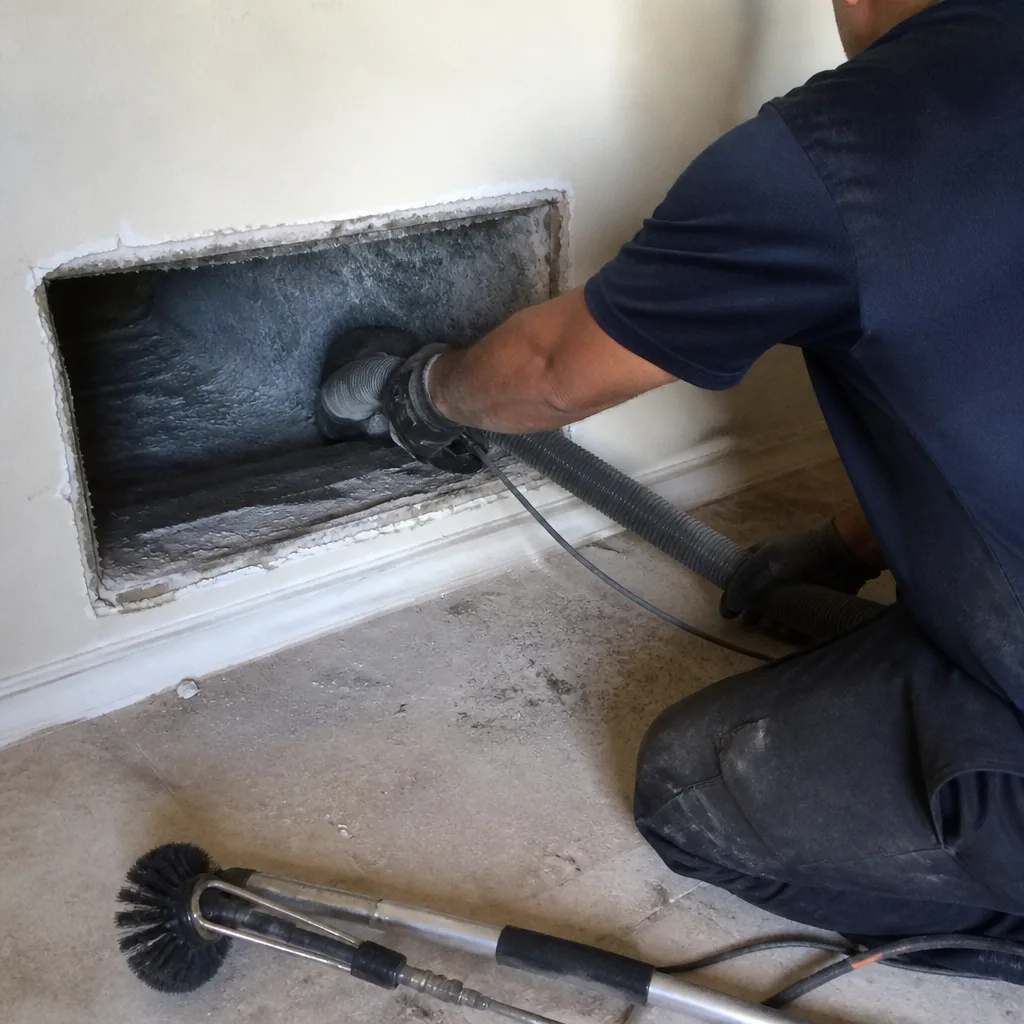 Before
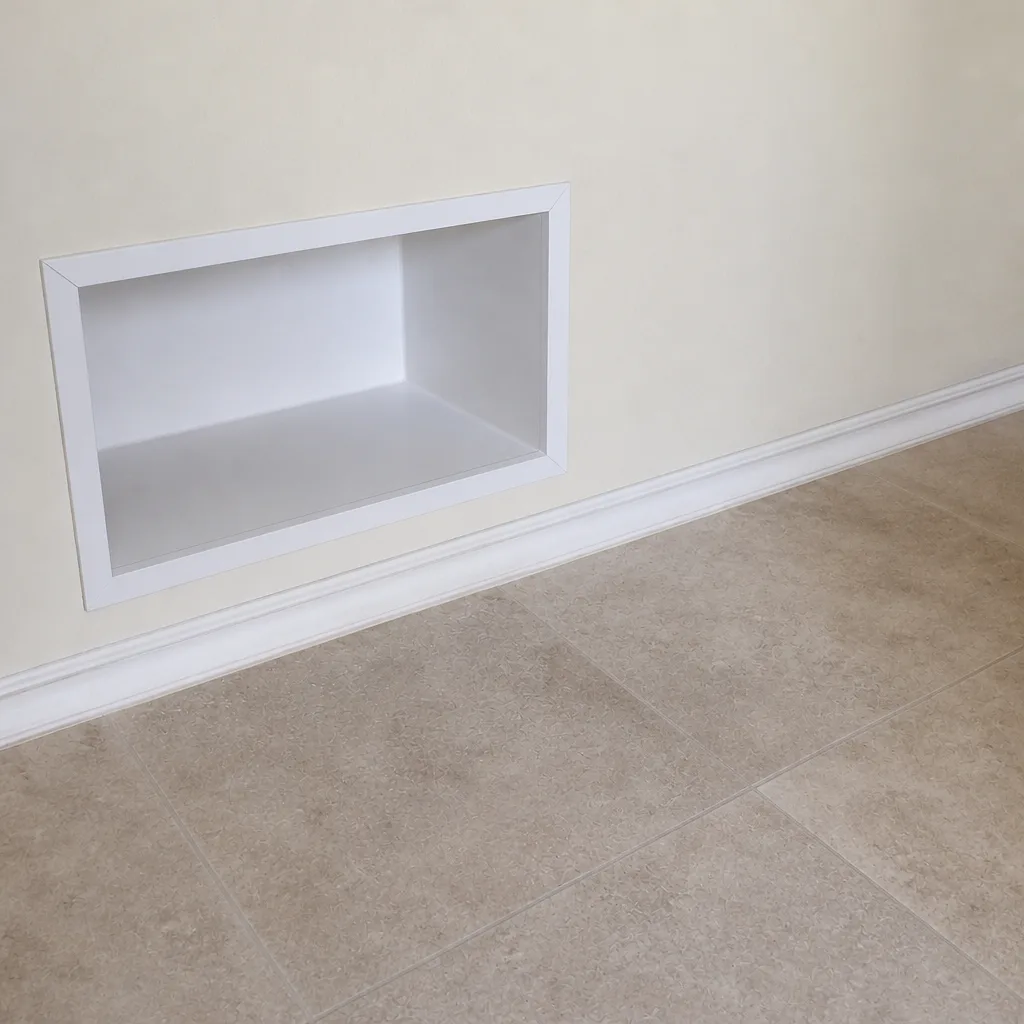 After
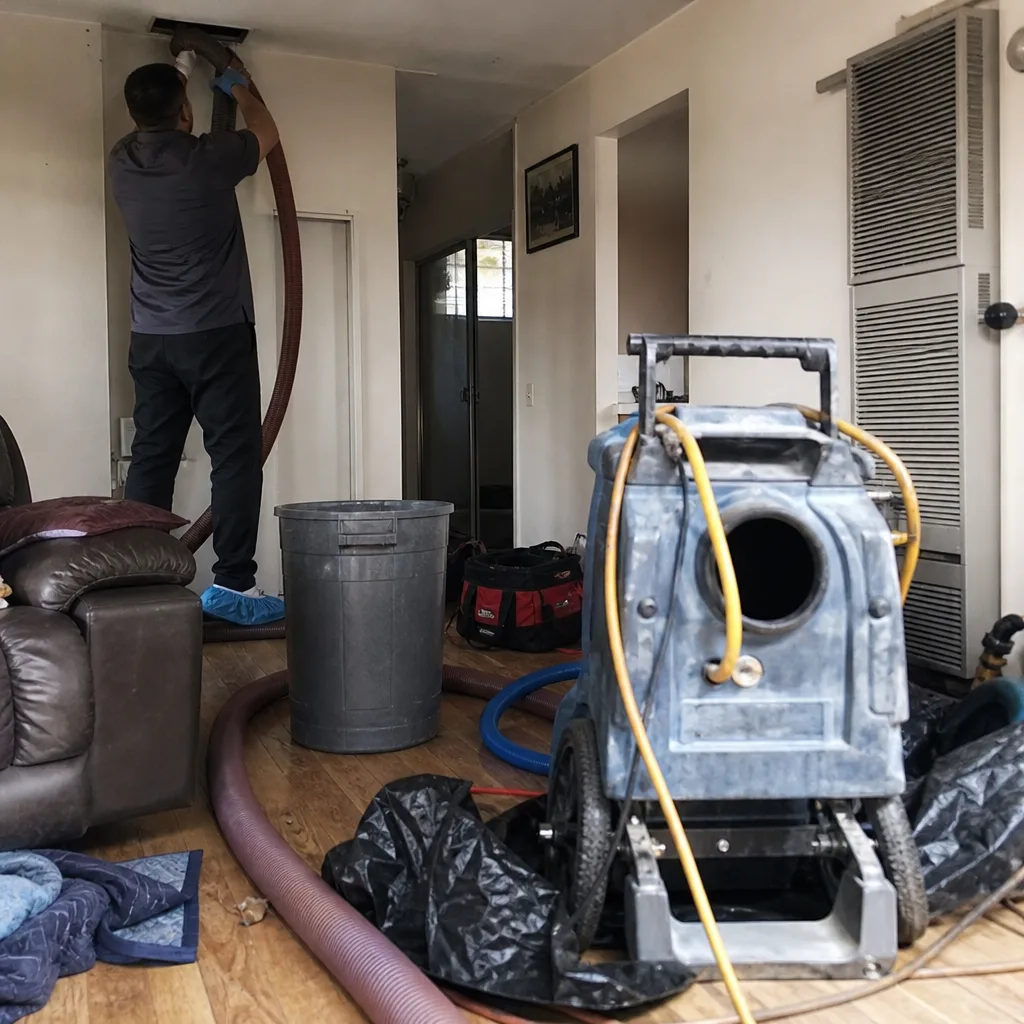 Before
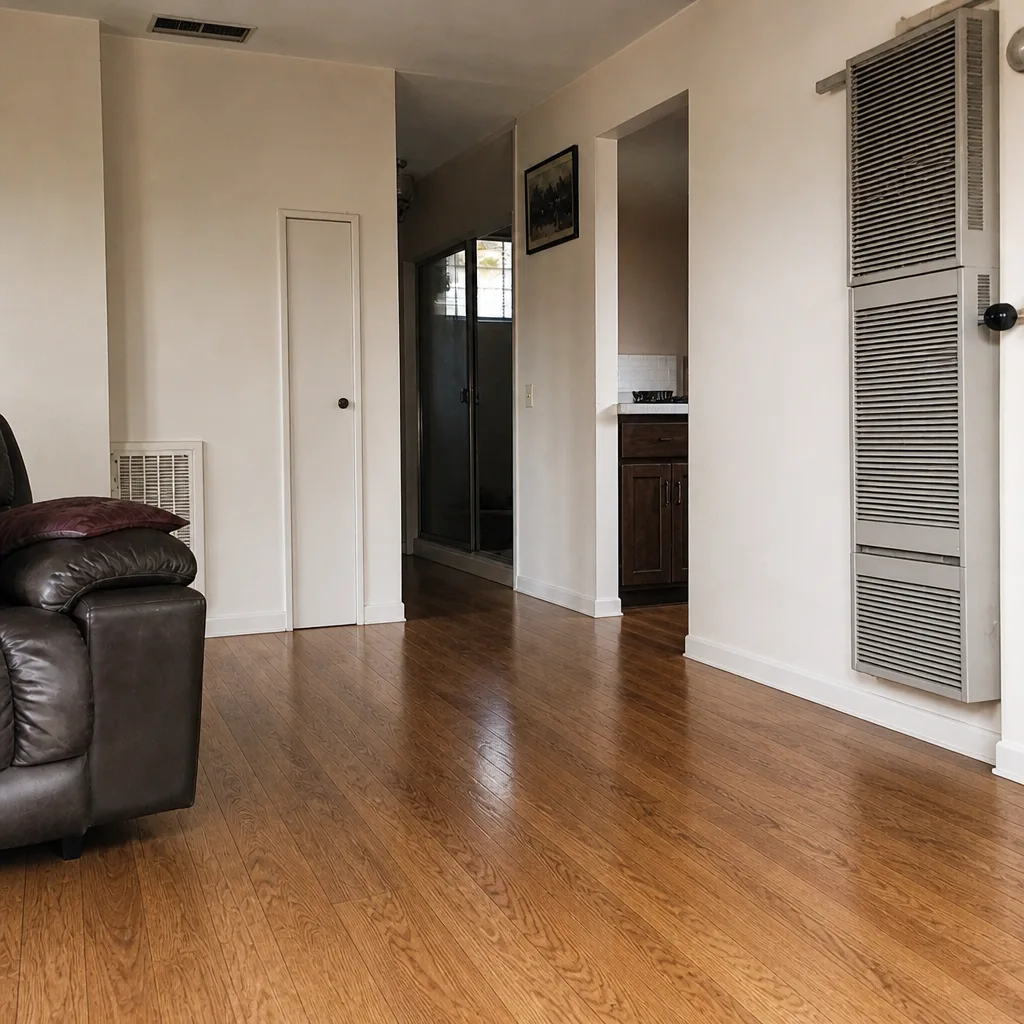 After
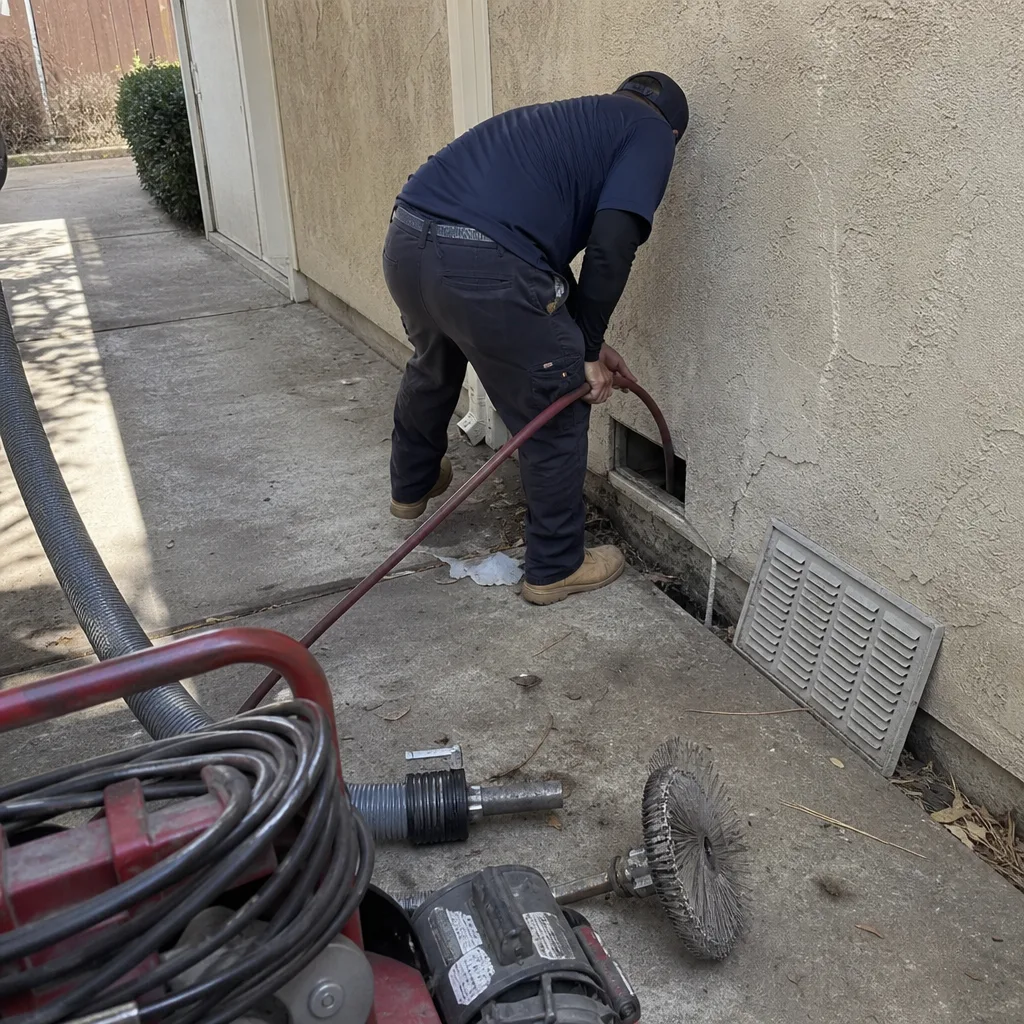 Before
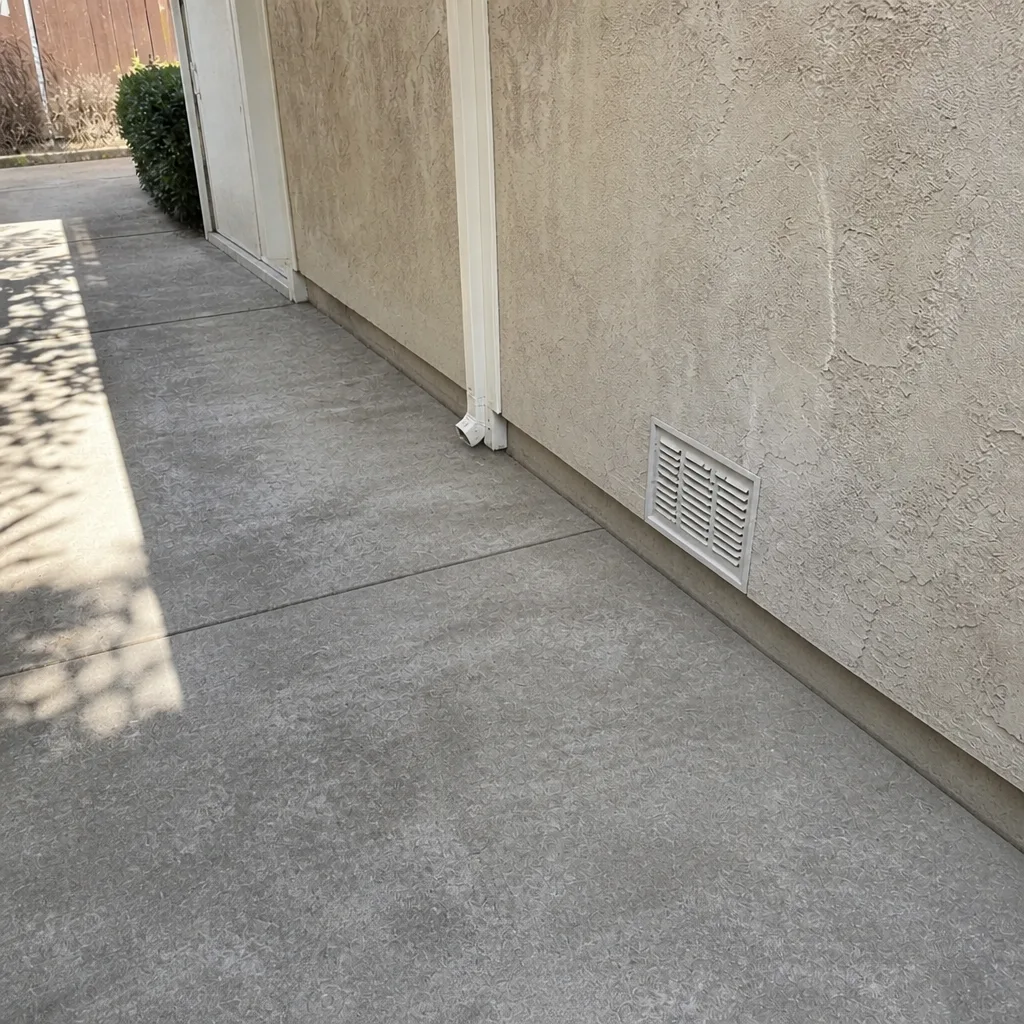 After
When to Call a Professional
Call a professional when you’ve narrowed the sign to the air pathway and the answer isn’t obvious. Call immediately if you smell burning when the heat runs, see soot, or have symptoms that worsen sharply when the system starts. Call for a professional inspection if you’ve checked the filter, the drain pan, and the accessible flex runs and the problem is still there. Call before you clean if you suspect leakage, mold, or a crushed run – cleaning those without repair wastes money. Call if you’re moving into a Woodbridge home with an unknown duct history. And call if you want the whole air pathway – supply, return, HVAC components, and dryer vent – handled by one company rather than three. Woodbridge Air Duct Cleaning offers free estimates in Woodbridge – call (855) 658-4123. We answer 24/7. Fast dispatch from 7am to 7pm, Sunday through Friday.
Frequently Asked Questions
You know your ducts need cleaning when you can see or smell contamination in the air pathway: debris in the register airstream, a musty smell when the system runs, or visible mold at a grille. A single dust line on a register is not enough – check the filter seat and the drain pan first. If both are clean and the sign persists, book a professional inspection. Call (855) 658-4123 for an exact quote – estimates are free.
Some quotes are cheap because they price per vent and use entry-level equipment, then inflate the invoice once the technician is on site. That’s the bait-and-switch reputation of this trade, and it’s why one flat price per system, agreed before work starts, matters more than the headline number. Ask for what equipment will be used and whether containment and HEPA filtration are included. Call (855) 658-4123 for an honest whole-system range.
You know the work was done when you have before-and-after photos of your own ducts, not stock images, and you know the extraction equipment by name. We use Rotobrush and Nikro extraction systems with Abatement Technologies containment and HEPA filtration, and we photograph the ductwork before and after each system. If a company can’t show you the inside of your own ducts, ask why. Call (855) 658-4123 to book an inspection.
Most homes don’t need a schedule – they need a reason. Cleaning is warranted when there’s visible or smellable contamination, after a renovation, or when moving into a home with an unknown duct history. In Woodbridge’s mild climate, the cooling season is long and the coil stays wet for more of the year, so moisture-driven problems deserve attention earlier than dust alone. Call (855) 658-4123 for a free assessment.
Usually not on its own. Uneven room temperatures in a Woodbridge home are more often caused by duct leakage or a crushed flex run than by contamination, and cleaning doesn’t fix either. That’s why we treat repair and sealing as a distinct service from cleaning. A professional inspection tells you which you need. Call (855) 658-4123 to schedule one.
The ducts move air. The HVAC equipment conditions it. Debris in the drain pan, a wet coil, or a burning smell point at the HVAC side; dust in the airstream, odor when the fan runs, and uneven supply airflow point at the ducts. The distinction changes which service you need, and getting it right the first time is the point of the whole diagnostic sequence. Call (855) 658-4123 and we’ll help you sort out which one applies.
The Bottom Line
Warning signs matter less than the mechanism behind them. Dust at a register can come from the ducts, the filter, or the building envelope. Musty, burning, and stale odors each point somewhere different. Uneven temperatures and rising filter loading usually mean leakage or a crushed run, not contamination. Health symptoms only become useful when you log them against HVAC cycles. And some problems – leakage, mold, and crushed flex duct – never get solved by a cleaning. Read the sign, find the mechanism, and match the service to it. When you’re ready for a professional look at the whole air pathway in your Woodbridge home, clean, repair, and seal in one place beats a spot clean every time. Call (855) 658-4123 for a free estimate. We answer 24/7. Fast dispatch from 7am to 7pm, Sunday through Friday.
Written by the team at Woodbridge Air Duct Cleaning.